
Navigate Commercial and Residential Property Dubai for Smart Investments
· 30 min read
Why understanding commercial and residential property types matters for Dubai investors
When you think about buying property in Dubai, it’s easy to see a building and just think, "That’s an investment." But actually, there’s a big difference between buying a home for someone to live in (residential property) and buying a space for a business (commercial property). This difference is super important, especially if you’re investing in commercial real estate or any type of real estate in Dubai.
Many people get confused because both types of property look like buildings you can rent out. However, the rules, how you pay for them, and even how much money you can make are quite different.
For example, all rental contracts in Dubai, whether for homes or businesses, must be registered through a system called Ejari to be legal Ejari Dubai: The Complete 2026 Guide for Tenants & Landlords. But the other legal parts, like what you can actually do with the space or how much tax you pay, can change a lot depending on if it’s a home or a business spot.
These differences can affect your legal rights as an owner, how you get a loan to buy the property, and even how much money you might earn in the future. For instance, the fees for registering a property sale with the Dubai Land Department (DLD) are generally 4% of the property’s value Dubai Land Department: The Complete 2026… | Oliva, but other costs and rules can vary. That’s why understanding these specific details for real estate investing in Dubai is key to making smart choices.
In this article, we’ll help you clearly understand what makes commercial and residential property distinct. We’ll give you clear definitions for each, help you figure out how to evaluate properties based on practical things, and provide a checklist to help you make sure you’ve looked into everything important before you buy. This guide is made just for Dubai, so you can be confident in your next property move.
Are you looking to buy, sell, rent, or invest in property in Dubai? Connect with an expert for personalized guidance:
FREE Dubai Real Estate Consultation
When we talk about commercial and residential property in Dubai, residential property is all about homes where people live. This can be for someone who buys a place to stay (an end-user) or for investors who buy to rent it out (buy-to-let). Dubai offers many types of homes, each with its own good points.
Apartments
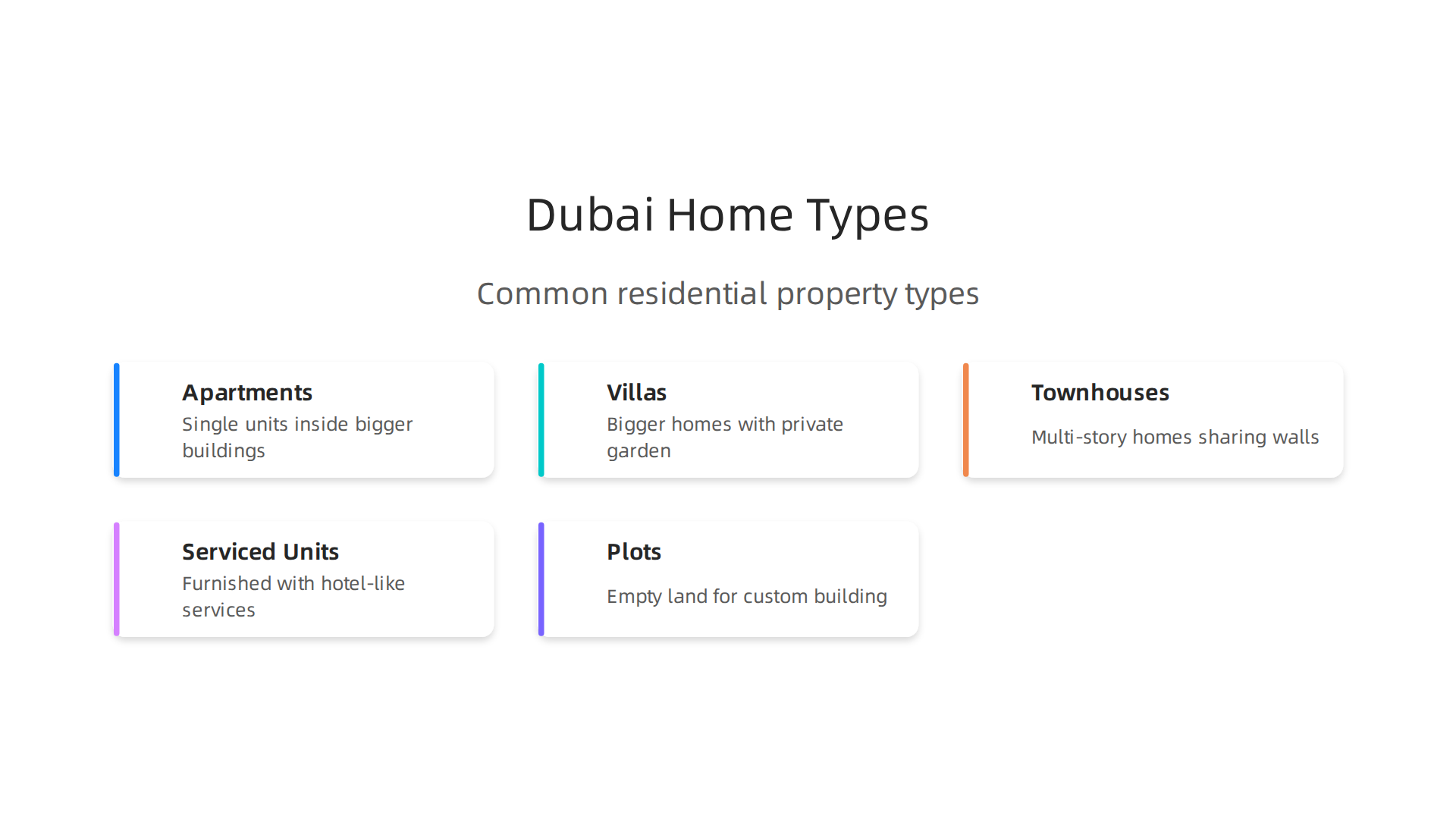
Apartments are probably the most common type of home in Dubai What are the Different Types of Properties in Dubai?. They are single units inside bigger buildings, which can be small or very tall. You can find them almost everywhere in Dubai, from small studio flats to large penthouses with many rooms.
- Who they suit: Apartments are great for young people, small families, and people who work in the city center. Many investors like apartments because they often give good rental income. In April 2026, the average rental income for apartments in Dubai was about 7.15% Average Rental Yields in Dubai – 2026 Market Insights. Some areas like International City and Jumeirah Village Circle (JVC) showed very high returns Dubai Residential Market Performance Q1 2026 – Cavendish Maxwell.
- Ownership: Most apartments in Dubai are freehold, meaning you own the unit completely.
Villas
Villas are bigger homes that usually stand on their own and come with a private garden. They are often found in special communities with shared parks, swimming pools, and security.
- Who they suit: Villas are perfect for larger families who need more space and privacy.

They can be a good choice for long-term investment because their value tends to grow steadily Commercial vs Residential Property Investments in Dubai. However, their rental income percentages are usually lower than apartments. In July 2026, villas had an average rental income of about 4.5% Dubai Housing Market 2026: Mid-Year Review & Outlook.
- Ownership: Villas can be freehold in many communities, but some might be leasehold, especially in older or specific master-developer areas. Leasehold means you own the property for a long time, but not the land it sits on.
Townhouses
Townhouses are a bit like a mix between apartments and villas. They are multi-story homes that often share walls with neighbors on one or both sides. They offer more space than an apartment but typically less privacy and land than a villa.
- Who they suit: Townhouses are good for families looking for a balance of space, community living, and often a more affordable price than a standalone villa. Their rental income percentages are generally between apartments and villas. In July 2026, townhouses had an average rental income of about 5.1% Dubai Housing Market 2026: Mid-Year Review & Outlook.
- Ownership: Like villas, townhouses are usually freehold but can sometimes be leasehold.
Serviced Units
Serviced units are furnished apartments or villas that come with hotel-like services such as cleaning, maintenance, and a concierge. They are often found in areas popular with tourists or business travelers.
- Who they suit: These are very popular for short-term rentals, like holiday homes, as they can bring in higher rental income than regular long-term rentals Dubai Real Estate Market Report: Q2 2026 | Idigov Group. They are also great for High Net Worth (HNW) investors who want hands-off property management.
- Ownership: They are typically freehold, but the management is usually handled by a hotel or hospitality company.
Plots (Land)
Plots are empty pieces of land where you can build a custom home or even develop a small project.
- Who they suit: This option is mostly for HNW investors who want to build a dream home exactly how they like it, or for developers. It’s a long-term investment that needs more planning and money.
- Ownership: Plots are typically freehold, giving the owner full control over the land.
No matter which type of residential property you choose for real estate investing in Dubai, it’s important to understand the local market. Knowing the average rental income for each type and how it affects your profit is key. For example, understanding Dubai property tax optimization strategies can help you keep more of your earnings.
Now, let’s look at the other side of the coin: commercial and residential property can also mean homes for businesses, not just for people. This is called commercial property. It is where businesses work, sell things, make goods, or offer services. Just like homes, there are many kinds of commercial properties, and each has its own rules and benefits.
Offices
Office spaces are where many companies do their daily work. Think of tall buildings in places like Business Bay or DIFC, full of companies.
- Who they suit: Businesses that need desks for their staff, meeting rooms, and good internet.
- Lease details: Leases for offices are often long, like 3 to 5 years, or even more. Businesses usually need to set up the inside of the office to fit their needs, which is called a "fit-out."
- Income stability: Rent from good office tenants can be very steady, giving reliable income for investors.
Retail Spaces
Retail properties are shops, stores, restaurants, or cafes where businesses sell things directly to people. You see them in shopping malls, on busy streets, or in community centers.
- Who they suit: Shops, restaurants, salons, or service providers that need to be seen by customers.
- Lease details: These leases can be shorter, sometimes 1 to 3 years. The rent might even be partly based on how much the shop sells.
- Income stability: This income can change more easily. If many people stop buying, the shop might struggle to pay rent.
Industrial Properties and Warehouses
Industrial properties are for making things, factories, or big workshops. Warehouses are huge spaces used for storing goods before they are moved or sold. These are often found outside the city center.
- Who they suit: Companies that make products, store big items, or manage deliveries.
- Lease details: Leases are usually long, 5 to 10 years, because moving a factory or a large storage business is hard. Often, the tenant pays for most running costs, like property taxes and insurance. This is different from many home leases.
- Income stability: These can be very stable investments, especially with strong companies as tenants.
Hospitality Assets
These are properties like hotels, resorts, and serviced apartments that offer stays for travelers and tourists. Investing in these means you’re often working with a hotel company to run the place.
- Who they suit: Investors who want to be part of Dubai’s big tourism industry.
- Lease details: Owners usually have a deal with a hotel brand to manage the property. The income might be a share of the hotel’s earnings.
- Income stability: This income can go up and down with tourist numbers and seasons.
Practical Differences from Residential Property
Investing in commercial real estate in Dubai is different from buying a home. Here are some key things to know:
- Lease Structures: Commercial leases are usually much more complex. They often put more duties on the tenant. For example, a business might have to pay for all repairs inside their rented space, while a home renter might not. Knowing these details is very important for commercial property owners and is part of good Commercial vs. Residential Property Management in Dubai.
- Tenant Profile: With commercial property, your tenants are businesses, not families. You’ll need to check how strong their business is.
- Fit-Outs: As mentioned, businesses usually pay to decorate and set up their space to match their brand. This is a big cost not often seen in home rentals.
- Service Charges: Both commercial and residential properties have service charges for shared areas, but commercial charges can be higher due to more intensive use and services.
- VAT (Value Added Tax): This is a big one. Most commercial properties in Dubai have VAT on their rent, while homes usually do not. Investors in commercial property need to understand UAE corporate tax guide 2026 and how VAT affects their income and costs. You might also need a special tax number for VAT purposes, so learning how to get your UAE tax registration number TRN for property investment is a smart move.
- Licensing: Every business needs a trade license to operate in Dubai. The property itself must be approved for commercial use. You cannot just open a shop in a building meant only for homes.
Understanding these different types and rules is key to smart real estate investing in Dubai, whether you choose to invest in residential or commercial assets. Knowing the specific requirements for different kinds of property, like the 8 Types of Commercial Real Estate in the UAE, helps you make the best choice.
When you are thinking about real estate investing in Dubai, it’s not just about if you want a home or a business space. Another big choice is whether to buy an "off-plan" property or a "ready" property. This means deciding if you want to buy something that is still being built, or something that is already finished. Each choice has its own set of good points and things to watch out for.
Off-Plan Properties
Off-plan means you buy a property from a developer before it is finished.
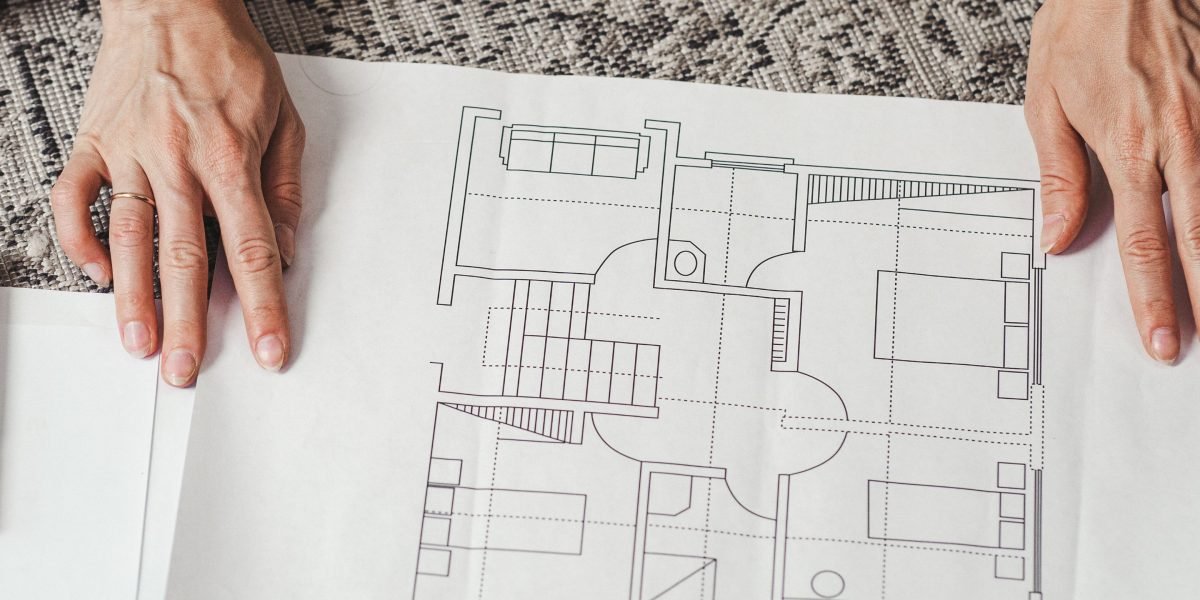
Sometimes, they haven’t even started building it yet. It’s like buying a brand-new car model before it rolls off the factory line.
- Capital Appreciation Potential: One big reason people choose off-plan is the chance for the property to become more valuable by the time it’s finished. Developers often sell these units at lower prices to get buyers early on, sometimes 10-30% less than what they might be worth later. This means you could have built-in value from day one, which can be a good way to get high returns for smart investors looking at Dubai Off-Plan vs Ready Property 2026.
- Payment Plans: A major benefit is that you usually don’t have to pay all the money upfront. Developers offer payment plans, letting you pay in small amounts over a few years while the property is being built. This helps spread out the cost and can be easier on your wallet. You might even see plans like 1% paid each month.
- Completion Risk: The main downside is that there are risks. Construction can be delayed, or in rare cases, projects might even be canceled. Also, the market might change while your property is being built, meaning its value could be different from what you hoped. This waiting period is a key risk with off-plan properties, as explained in guides on Pros and Cons of Buying Off-Plan Properties in Dubai 2026.
- Exit Options: If you want to sell an off-plan property before it’s completed, it can be tricky. You might have to find a buyer who is willing to take over your payment plan.
Ready Properties
Ready properties are units that are already built and ready for you to move into or rent out right away.
- Immediate Income: The best part about a ready property is that it can start earning you money right away if you plan to rent it out. You don’t have to wait for construction to finish.
- No Completion Risk: Since it’s already built, you don’t have to worry about delays or if the project will actually be finished. What you see is what you get.
- Full Inspection: You can walk through the property, check its quality, and see the exact size and layout before you buy. This gives you a clear picture of your investment.
- Higher Upfront Cost: Usually, ready properties cost more upfront compared to off-plan options. You’ll need more money or a bigger loan at the start.
- Exit Options: Selling a ready property is often simpler, as buyers can move in quickly.
Comparing Off-Plan and Ready Properties
Let’s put the main differences side-by-side:
| Feature | Off-Plan Property | Ready Property |
|---|---|---|
| Price | Lower entry price, often with a discount | Higher upfront price |
| Payment Plans | Flexible plans spread over construction time | Full payment or mortgage needed at purchase |
| Capital Appreciation | Potential for value growth before completion | Value reflects current market, less growth during purchase |
| Completion Risk | High: delays, cancellations, market changes | Low: property already exists |
| Rental Income | None until completion | Immediate potential rental income |
| Inspection | Limited; based on plans and show units | Full physical inspection possible |
| Developer Vetting | Crucial for reducing risk | Less critical for delivery, more for quality |
Checklist for Vetting Off-Plan Projects
If you choose off-plan, it’s very important to do your homework. Here’s what to look for:
- Developer Track Record: Research the developer. Have they completed projects on time before? What do past buyers say? A strong history means less risk.
- Escrow Arrangements: In Dubai, money paid for off-plan properties goes into a special bank account called an escrow account. This protects your money in case the project doesn’t go forward. Make sure these arrangements are in place.
- Post-Handover Fees: Understand all the costs, including fees you might have to pay after you get the property. These can include service charges and other maintenance costs.
- Project Approval: Check that the project has all the necessary approvals from the Dubai Land Department (DLD).
Making the right choice between off-plan and ready properties depends on your financial situation, how much risk you’re comfortable with, and your investment goals for any commercial and residential property in Dubai. Knowing these details helps you make a smart move.
Thinking about buying property in Dubai? Whether it’s off-plan or ready, getting expert advice can make a big difference.
FREE Dubai Real Estate Consultation to get personalized guidance from Ayaz Salman.
When you choose to buy a property in Dubai, it’s not just about if it’s new or already built. You also need to understand how you can own the property and how renting works. This includes knowing about "freehold" versus "leasehold" and how important organizations like the Dubai Land Department (DLD), RERA, and Ejari are.
Freehold vs. Leasehold Property in Dubai
For foreigners wanting to buy property in Dubai, there are two main types of ownership:
- Freehold: This is like owning a property outright. You own the land and the building on it forever. You can sell it, lease it, or pass it down as you wish. Many parts of Dubai offer freehold areas for international investors, making it a popular choice for those interested in owning commercial and residential property.
- Leasehold: With leasehold, you own the property for a set period, like 99 years. You don’t own the land itself. After the lease period ends, the property goes back to the original owner. This is less common for new foreign buyers but still exists in some older areas.
Most people investing in commercial real estate or homes in Dubai prefer freehold because it gives them full control and long-term security.
The Role of Dubai Land Department (DLD)
The Dubai Land Department, or DLD, is super important for anyone buying or selling property. It’s the government body that takes care of all real estate matters. Think of it as the main record keeper for all property in Dubai. When you buy a freehold property, you need to register it with the DLD to show you are the rightful owner. This helps make sure your investment is safe and official.
Registering a property sale with DLD usually costs 4% of the property’s value. There are also smaller admin fees on top of that, which can be around AED 580 plus a trustee office fee for the processing itself, sometimes around AED 4,200 for bigger transactions. These costs are important to factor into your budget when investing in Dubai real estate. For more details on the process, you can check out the Dubai Land Department Guide 2026.
RERA and Ejari: Making Tenancy Safe and Clear
If you plan to rent out your commercial and residential property, you need to know about RERA and Ejari.
- RERA (Real Estate Regulatory Agency): This agency is part of the DLD. Its main job is to make sure property dealings are fair and follow the rules, especially when it comes to renting. RERA helps create clear laws for landlords and tenants.
- Ejari: This is a system set up by RERA that means "My Rent" in Arabic. Every tenancy contract in Dubai, whether for a home or a business space, must be registered through Ejari.
This makes the contract legally binding and helps protect both the landlord and the tenant. It’s a key part of the Ejari Dubai: The Complete 2026 Guide for Tenants & Landlords.
Registering a Property and Tenancy Contract
Here are the basic steps for registering your property and tenancy:
- Property Registration: Once you buy a freehold property, your ownership is registered with the DLD. This usually happens during the sale process with help from a lawyer or real estate agent. The fee for this registration is 4% of the property’s value, as noted in guides on Real estate investment in Dubai.
- Ejari Registration: If you’re renting out your property, the tenancy contract needs to be registered with Ejari. This is a must for any residential or commercial tenancy to be legally valid in Dubai. The cost for Ejari registration starts around AED 177.75 if you do it online yourself using the Dubai REST app. If you use a service center, it might be around AED 219.75 to AED 299, as detailed in the Ejari Registration Cost & Fees in Dubai: Full 2026. Ejari registration needs to be done when a new contract starts or when an existing one is renewed.
- Dispute Resolution: If there’s ever a disagreement between a landlord and a tenant, the Ejari registration helps. It provides official proof of the rental agreement, which is very helpful if you need to go to the Rental Disputes Center. This center, also under the DLD, is where rental problems are typically solved.
Understanding these basic rules for ownership and renting is crucial for any investor. It helps keep your investment safe and ensures you follow all local laws, whether you’re looking at private homes or abu dhabi commercial properties adcp. If you want to dive deeper into making smart investment decisions, consider reading about Dubai real estate investment 2026 6 core principles for smart returns.
Now that you know how property ownership and renting work, the next step is to understand how to pick a property that will grow in value and bring in good rent. This means looking closely at key numbers and choosing the right neighborhoods for your commercial and residential property investment in Dubai.
How to evaluate property for rental yield and capital growth in Dubai
When you’re real estate investing in Dubai, you want your property to do two main things: earn money from rent (this is called rental yield) and go up in value over time (this is called capital growth).

Let’s look at how to figure these out.
Understanding Rental Yield
Rental yield tells you how much money your property makes from rent compared to its price. There are two types:
- Gross Rental Yield: This is the total rent you get in a year divided by the property’s purchase price. For example, if you buy an apartment for AED 1,000,000 and it rents for AED 70,000 a year, your gross yield is 7%. In 2026, Dubai’s average gross residential rental yield is about 6.58%, with apartments generally offering higher returns at 6.9% compared to villas at 4.5% and townhouses at 5.1% Dubai Housing Market 2026: Mid-Year Review & Outlook. Other reports show average gross yields for most districts between 6% and 8% Dubai Rental Market March 2026: Best Areas, Yields, and Price ….
- Net Rental Yield: This is more important because it takes into account your costs. You take your total rent, subtract all your running expenses, and then divide that by the property’s price. Running costs include things like service charges, maintenance, and fees. For well-chosen apartments, net yields can be around 5% to 6%, while villas might be 4% to 4.5% Dubai Rental Yields 2026: Gross vs Net.
Operating Expenses and Vacancy: Don’t forget these. Operating expenses are all the costs to keep your property running, even when it’s empty. Vacancy means times when your property has no tenant. When calculating net yield, you should also think about how often your property might be empty.
Understanding Capital Growth
Capital growth is about how much your property’s value increases over time. If you buy a property for AED 1,000,000 and later sell it for AED 1,200,000, that AED 200,000 is your capital growth. In 2026, Dubai’s property market is seeing annual capital growth firmly in positive territory, around 5% Dubai Q2 2026 Real Estate Market Report. This is an important part of your total return when investing in commercial real estate or residential homes.
Choosing the Right Neighborhoods
Picking the right area is super important for both rental yield and capital growth. Here’s what to look for:
- Tenant Demand: Areas with lots of people wanting to rent mean your property is less likely to be empty.
- Infrastructure: Look for places with good roads, public transport, schools, hospitals, and shops. These features make an area more attractive to tenants and buyers.
- Supply Pipelines: If too many new commercial and residential property projects are being built in an area, it might mean more competition for tenants later, which could lower rents.
Some areas in Dubai are known for high rental yields in 2026. For apartments, places like International City, Dubai Silicon Oasis, Sports City, and Discovery Gardens can offer gross yields above 9% 2026 Real Estate Barometer: Dubai Rental Yield Stabilizes at 8 …, with Jumeirah Village Circle (JVC) also leading with yields up to 8.5% Dubai Rental Market 2026: Where Yields Are Highest and Why. For villas, areas like Al Barari and Dubai Industrial City show good performance Dubai Residential Market Performance Q1 2026.
By carefully looking at these numbers and choosing locations wisely, you can make smarter choices for your real estate investments. For more guidance on setting up your plans, you can build a winning Dubai real estate investment strategy for 2026.
Making good investment choices in Dubai’s busy property market can be tricky. You need to gather a lot of information and understand how it all fits together.
For personalized guidance and expert insights tailored to your investment goals, consider a FREE Dubai Real Estate Consultation. This can help you navigate the market with confidence and find the best opportunities for your commercial and residential property ventures.
Making good investment choices in Dubai’s busy property market can be tricky. You need to gather a lot of information and understand how it all fits together. Part of that important information is knowing all the costs involved. It’s not just the purchase price; there are other fees and expenses that add up.
Costs, fees and hidden expenses: DLD fees, service charges, maintenance and taxes
When you’re real estate investing in Dubai, thinking about all the costs is super important. These costs come in two main types: one-time fees you pay when you buy the property, and ongoing costs you pay to keep it. Budgeting for these means you won’t be surprised later on, especially when dealing with commercial and residential property.
One-Time Fees When Buying Property
When you buy a property in Dubai, you’ll face some upfront fees. These include:
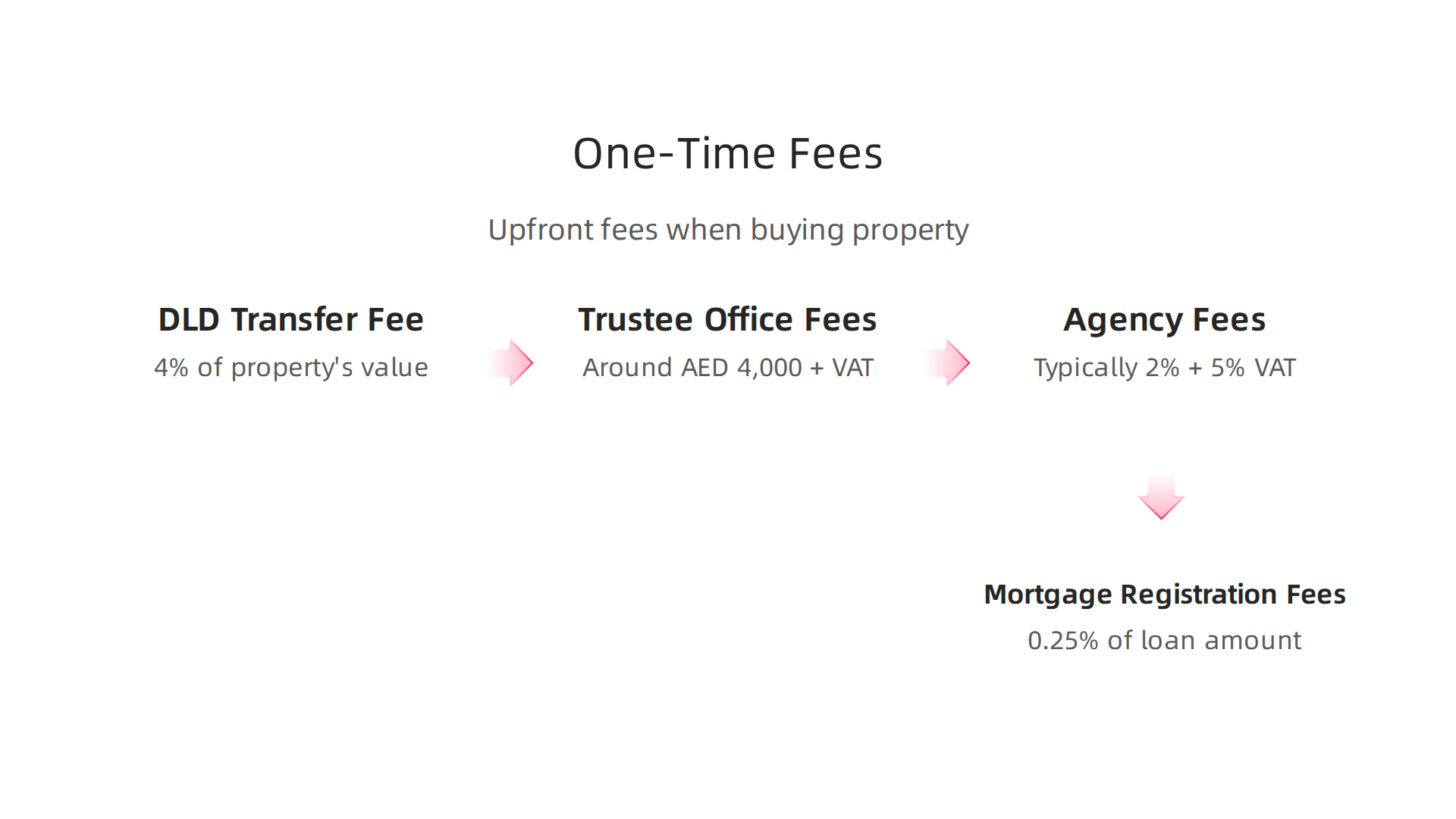
- Dubai Land Department (DLD) Transfer Fee: This is the biggest fee you’ll pay. It’s 4% of the property’s value. While it’s officially meant to be split between the buyer and seller (2% each), buyers usually end up paying the full 4% in practice, especially for ready properties in 2026 DLD Fees in Dubai in 2026: Complete Property Transfer Cost …. For a property worth AED 1,500,000, this fee would be AED 60,000. You can also see a full breakdown of these costs in this video about the real cost of buying property in Dubai.
- Trustee Office Fees: When you buy a property, the paperwork goes through a trustee office. They charge a fee, which is usually around AED 4,000 plus VAT for properties costing AED 500,000 or more Dubai Property Buying Costs | Complete Fee Breakdown 2026. There might also be a small admin fee for getting your title deed, around AED 580 Dubai Land Department Guide 2026 — Services, Fees & Rules.
- Agency Fees: If you use a real estate agent to find your property, they will charge a commission. This is typically 2% of the property’s sale price, plus 5% VAT on that commission Dubai Property Transfer Fees 2026 | DLD & Agent Costs.
- Mortgage Registration Fees: If you take out a loan to buy your property, you’ll need to pay a fee to register the mortgage with the DLD. This is usually 0.25% of the loan amount, plus some extra fixed fees.
All in all, the total cost for buying property in Dubai, including these fees, can be around 6% to 8% of the purchase price for cash buyers, and possibly higher for those taking out a mortgage Property Taxes, Fees and Costs in Dubai (2026).
Ongoing or Recurring Costs
After you own the property, there are costs you’ll pay regularly:
- Service Charges: These are fees paid to the building or community management for common services. This includes things like cleaning common areas, security, pool maintenance, and keeping the building in good shape. These fees vary a lot based on the area and type of property. The Dubai Land Department has a Service Charge Index in Dubai 2026 that helps you check typical rates for different areas.
- Maintenance: Even with service charges, you’ll need to budget for repairs and upkeep inside your specific unit. This could be fixing a leaky faucet or painting.
- Ejari Registration: This is Dubai’s official system for registering tenancy contracts. Every residential and commercial tenancy must be registered through Ejari to be legally valid Ejari Dubai: The Complete 2026 Guide for Tenants & Landlords. You’ll need to do this every time you get a new tenant or renew a lease. The fee for Ejari registration is around AED 177.75 if you do it online yourself, or more if you use a service center Ejari Registration Cost & Fees in Dubai: Full 2026 ….
- Taxes: While Dubai doesn’t have annual property taxes or capital gains tax like some other places, there are indirect taxes. For example, VAT on agency fees. Understanding your tax duties is important for good financial planning. For more details on this, you might find our guide on Dubai property tax optimization strategies very helpful.
Spotting High Service Charges and What to Ask
Service charges can be a big part of your ongoing costs. Sometimes, these can seem too high. Here’s how to be smart about it:
- Check the DLD Service Charge Index: This is your best tool. It shows you the approved service charges for different buildings and communities. If a property’s service charge is much higher than what the index says, that’s a red flag.
- Ask for Community Budgets: Before you buy, ask the developer or community management for a copy of the service charge budget for the last year or two. This will show you exactly where the money is going.
- Understand What’s Included: Make sure you know what the service charge covers. Does it include utilities for common areas? Is there a sinking fund for major repairs in the future?
- Look into the Developer’s History: Some developers are known for better management and more reasonable service charges than others. Do some research on their past projects.
By carefully checking all these costs, both one-time and ongoing, you can get a clearer picture of your total investment. This helps you make smarter decisions when investing in commercial real estate and residential properties, making sure your venture in Dubai is a success.
Now that you know about the costs of buying property in Dubai, let’s talk about how to check everything carefully before you spend your money. This step is called "due diligence." It’s like being a detective for your future investment.

This is super important whether you’re looking at commercial and residential property.
Due diligence, developer and agent checks, and a practical checklist for buyers
Checking things carefully before you buy helps you avoid problems later on. This is especially true for real estate investing in Dubai, where you might choose between properties that are already built (ready properties) or those still being planned or built (off-plan properties). Each type needs a different kind of check.
Off-Plan vs. Ready Properties: What’s the Difference for Buyers?
When you buy an off-plan property, you’re buying it from the developer before it’s finished. This often means you get a lower price and can pay in installments over time Off-Plan vs Ready Property Dubai 2026 | Which Is Better?. However, there are also risks, like construction delays or changes to the market during the build time Pros and Cons of Buying Off-Plan Properties in Dubai 2026. You might have to wait years before you can actually use or rent the property Off-Plan Vs Ready Property in Dubai (2026 Guide).
Ready properties, on the other hand, are already built. You can see them, touch them, and rent them out right away to start earning money Off-Plan vs Ready Property in Dubai: Which Investment Is …. They are often seen as a more stable choice because you know what you are getting. But, they usually cost more upfront. Understanding these differences is key for making smart investment choices in Dubai. You can learn more about this by watching a video comparing Off Plan vs Ready Property in Dubai.
Your Due Diligence Checklist
Here’s a simple checklist to help you with your due diligence, no matter if you’re buying off-plan or a ready property.
For Off-Plan Purchases:
- Check the Developer’s Name: Look into the developer’s past projects. Did they finish them on time? Were buyers happy? You want to work with a trusted developer.
- RERA Registration: Make sure the project and the developer are registered with RERA (Real Estate Regulatory Agency) in Dubai. This is a must. It shows they are legal and follow the rules.
- Escrow Account: For off-plan projects, your payments should go into a special bank account called an escrow account. RERA manages these to make sure your money is safe and only used for building the project.
- Review the Sales Agreement: Read the contract very carefully. Look for details on payment plans, completion dates, and what happens if there are delays. It’s smart to have a lawyer look at this.
For Ready Property Purchases:
- Title Deed Check: Make sure the seller has the official title deed for the property and that it’s clear of any problems. This proves they truly own it.
- No-Objection Certificate (NOC): The developer or building management needs to give a NOC. This document says there are no outstanding fees or issues with the property.
- Physical Inspection: Visit the property yourself. Check its condition, look for any needed repairs, and make sure everything works.
- Check for Liens and Debts: Ensure there are no unpaid bills or legal claims against the property, like unpaid service charges.
Evaluating Developers and Agents
It’s not just about the property; it’s also about the people you work with.
- Developer Reputation: As mentioned, a developer’s past work tells a lot. Good developers are known for quality and timely delivery.
- Agent Credentials: Make sure your real estate agent is licensed in Dubai. You can ask for their RERA ID. A good agent will guide you honestly and help with the due diligence process for investing in commercial real estate or residential properties.
- Seek Trusted Advice: For complex steps, get help from independent legal experts or property consultants who specialize in Dubai real estate. They can give you unbiased advice and review contracts. This can be very helpful when you’re starting how to start real estate investment in Dubai.
Taking these steps will help you feel more confident in your real estate investing in Dubai. It helps to secure your investment and protect your future returns. If you are looking for guidance on finding the right partners, consider our a due diligence guide to choosing a real estate investment company in Dubai.
Buying, selling, renting, or investing in Dubai? Connect with Ayaz Salman for FREE Dubai Real Estate Consultation.
Summary
This article explains why distinguishing commercial and residential property matters for investors in Dubai and walks you through the practical details you need to decide and act. It defines major residential types (apartments, villas, townhouses, serviced units, plots) and commercial classes (offices, retail, industrial, hospitality), and compares lease structures, tenant profiles, VAT exposure and fit‑out requirements. You’ll learn how off‑plan and ready‑built options differ in price, payment plans, completion risk and exit options, and how to evaluate rental yield, net returns and capital growth using real numbers. The guide also covers ownership types (freehold vs leasehold), key regulators (DLD, RERA, Ejari), one‑time and recurring costs, and a practical due‑diligence checklist to vet developers, agents and title documents. Read this to understand true costs, avoid common pitfalls and make confident buy, rent or invest decisions in Dubai’s market.