
Dubai Real Estate Investment 2026 6 Core Principles for Smart Returns
· 22 min read
Introduction
Dubai’s real estate market has been on a tear. In 2025, the residential sector recorded over 200,000 transactions worth AED 543.9 billion. That is a 19.5% jump in volume and a 28.3% increase in value compared to the year before, according to the Dubai Residential Real Estate Market Report 2025.
The first half of 2025 alone saw transaction volumes rise 22.5% and total sales value surge 40.1% over the same period in 2024, as reported by DXBinteract.
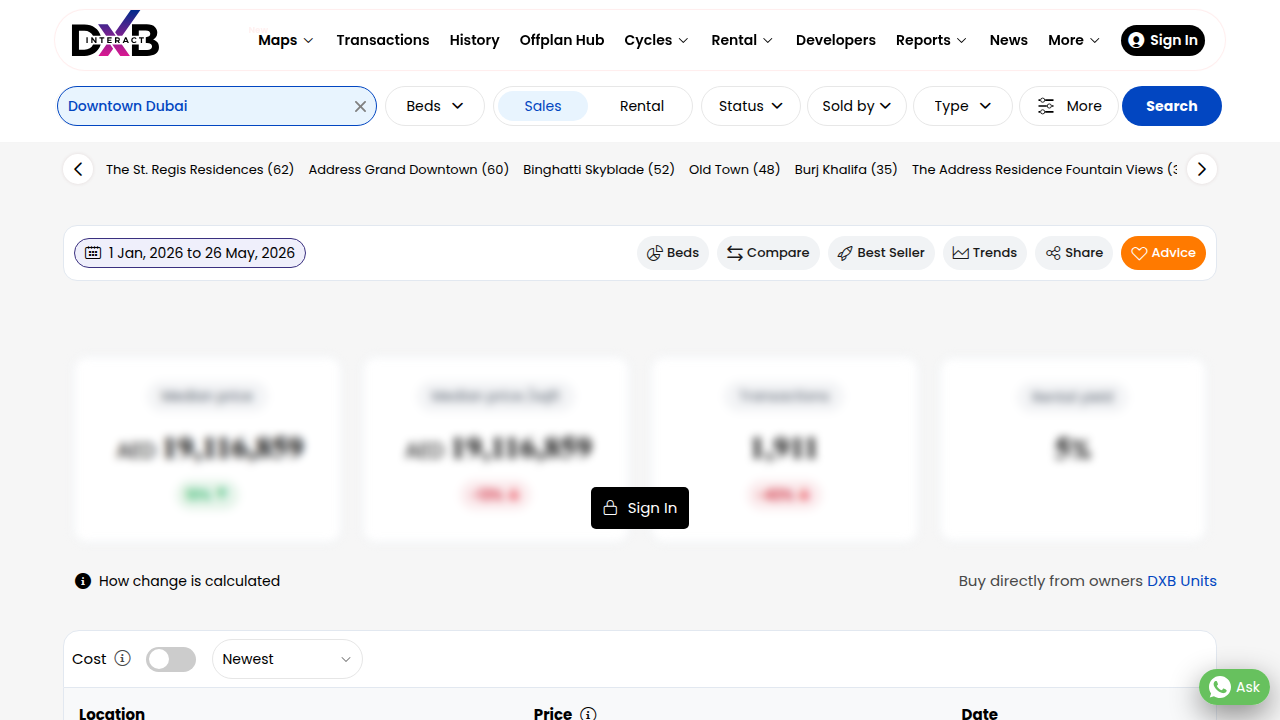
As we move through 2026, the market is entering another year of strong momentum following that record-breaking performance, per Cavendish Maxwell’s latest analysis.
These numbers are hard to ignore. If you are exploring real estate for investment, Dubai looks like a goldmine on paper. But here is the thing: making money in this market is not as simple as buying the first flashy tower you see. Many newcomers get tripped up by complex regulations, unpredictable market cycles, and hidden costs that eat into profits. About 86% of transactions in early 2025 were cash deals, according to Knight Frank via Global Property Guide. That tells you the market moves fast and favors those who come prepared.
So how do you get in without getting burned? Good investment planning starts with understanding the rules of the game.

Whether you are a first-time buyer or an experienced investor looking at real estate as an investment strategy, you need a clear map. This is why learning how to get in real estate investing the right way matters so much.
In this guide, we break down six core principles backed by real data and expert insights. These principles will help you cut through the noise and make smarter moves with your money. We will cover everything from choosing the right property type to understanding the legal landscape and timing your entry. If you are serious about investment for real estate in Dubai, this article is your starting point.
Let us walk through what actually works in 2026.
1. The Dubai Real Estate Landscape: A Market in Transformation
Dubai’s property market is not the same place it was five years ago. Actually, it is not even the same as it was last year. The city has reshaped itself into a global investment hub that draws buyers from every corner of the world. If you are thinking about real estate for investment, you need to understand what this market looks like right now.
Where you can buy and what is available
Not every part of Dubai is open to foreign buyers. The government set up freehold zones where expats and international investors can own property outright. These areas include popular neighborhoods like Dubai Marina, Downtown Dubai, Palm Jumeirah, and emerging districts like Dubai South and Dubai Creek Harbour. Within these zones, you will find apartments, villas, townhouses, and off-plan projects at different price points.
The variety is huge. You can buy a studio apartment in Jumeirah Village Circle for a few hundred thousand dirhams or a luxury penthouse on the Palm for millions. This range makes investment for real estate more accessible to different budgets. In 2025, the market recorded over 200,000 transactions worth AED 543.9 billion, as reported in the Dubai Residential Real Estate Market Report 2025. That tells you the depth of activity here.
Who is buying and why
The investor base is global. Buyers come from India, the UK, Russia, China, and across the Middle East. Many are high net worth individuals looking for a safe place to park capital. Others are first time buyers entering the market through co investment models or smaller down payments.
What is driving all this demand? A few big factors stand out.
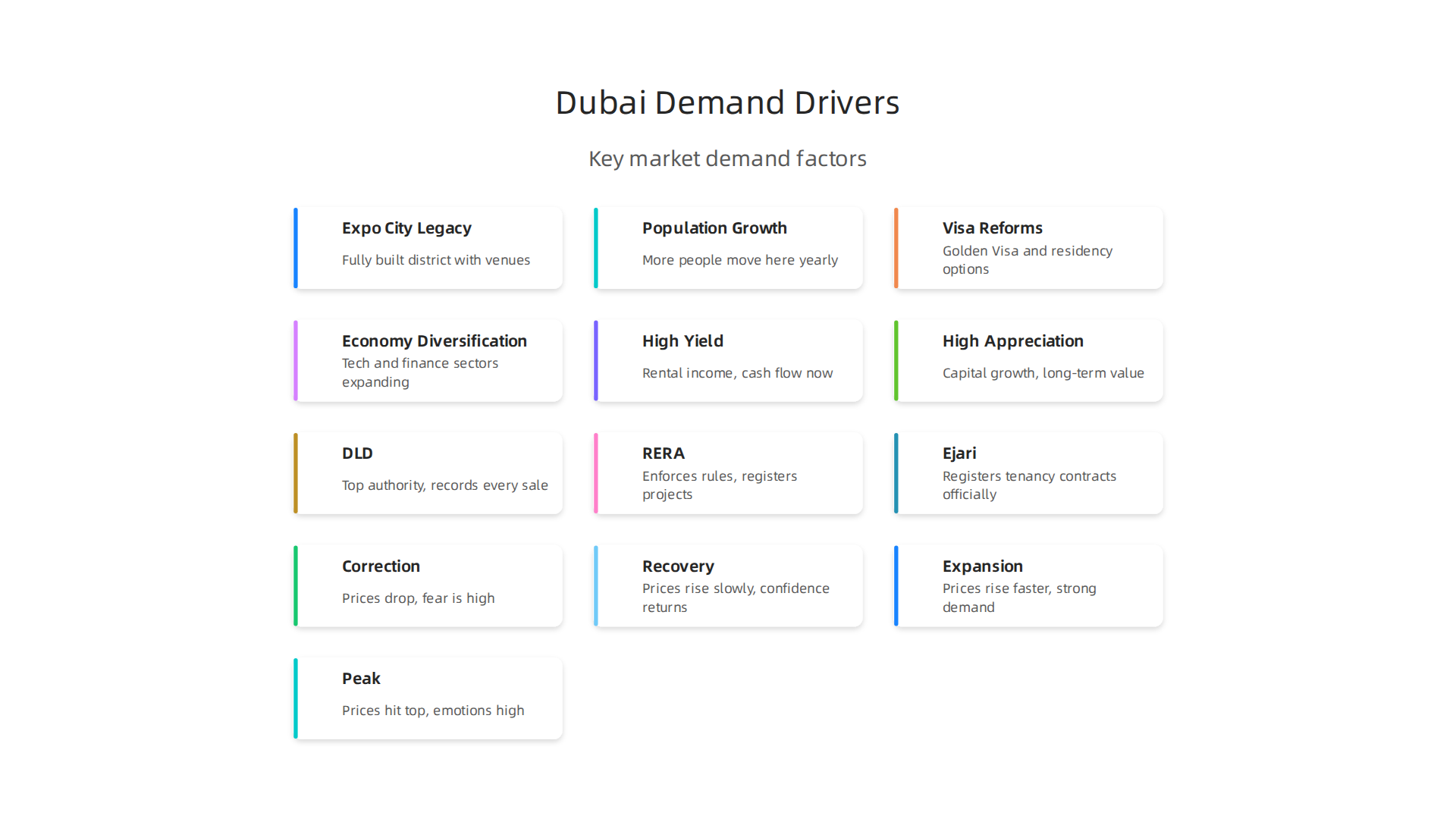
First, the Expo City legacy. The 2020 World Expo left behind a fully built district with offices, green spaces, and cultural venues. That project kicked off a wave of infrastructure spending that continues today. Second, Dubai’s population keeps growing. More people move here each year for work, safety, and quality of life. More people means more need for housing, which supports rental demand and property values.
Third, visa reforms have made a real difference. The UAE introduced long term residency options like the Golden Visa for investors, retirees, and talented professionals. This gives buyers a reason to put down roots rather than treat real estate as a short term flip. Fourth, Dubai keeps diversifying its economy beyond oil. Sectors like tech, finance, tourism, and logistics are expanding, which attracts more residents and investors.
The result is a market that had 86% of transactions in cash through early 2025, according to Knight Frank via Global Property Guide. Cash buyers move fast, so you need to come prepared.
What 2026 looks like
The 2026 outlook points to continued momentum. Transaction volumes are expected to stay strong, though maybe not at the same record pace as 2025. Pricing trends show moderate growth, especially in prime locations with limited supply. Rental demand remains high because the population keeps climbing.
One thing to watch is new supply. Many off-plan projects launched during the boom are completing now and over the next year. That extra inventory could cool price growth in some areas. But in neighborhoods where land is scarce, values should hold steady or rise.
If you are looking at how to get in real estate investing in this market, start by understanding the landscape. You also need to know who you are working with. That is why a due diligence guide to choosing a real estate investment company in Dubai is such a valuable resource before you commit your money.
The next principle will walk you through the most important thing you can control: your investment strategy.
2. Foundational Principle #1: Location Analysis and Micro-Market Dynamics
You have seen how the Dubai landscape works. Now it is time to focus on the single most important choice you will make: where to buy. Location is everything in real estate for investment. The right neighborhood can double your returns.

The wrong one can eat your profits.
Think of it this way. Every area in Dubai has its own personality. Some spots are built to give you cash flow right now. Others are designed to grow in value over time. You need to know which type fits your goals.
High yield vs. high appreciation
The market splits into two basic camps. High yield areas like International City and Dubai South offer strong rental returns from day one. Tenants want these places because rents are lower and jobs are nearby. If your goal is monthly income, look here.
High appreciation areas like Palm Jumeirah and Emirates Hills work differently. They cost more upfront. But their value climbs faster as demand grows and land runs out. If you want long term wealth building, these neighborhoods win.
Here is a quick breakdown:
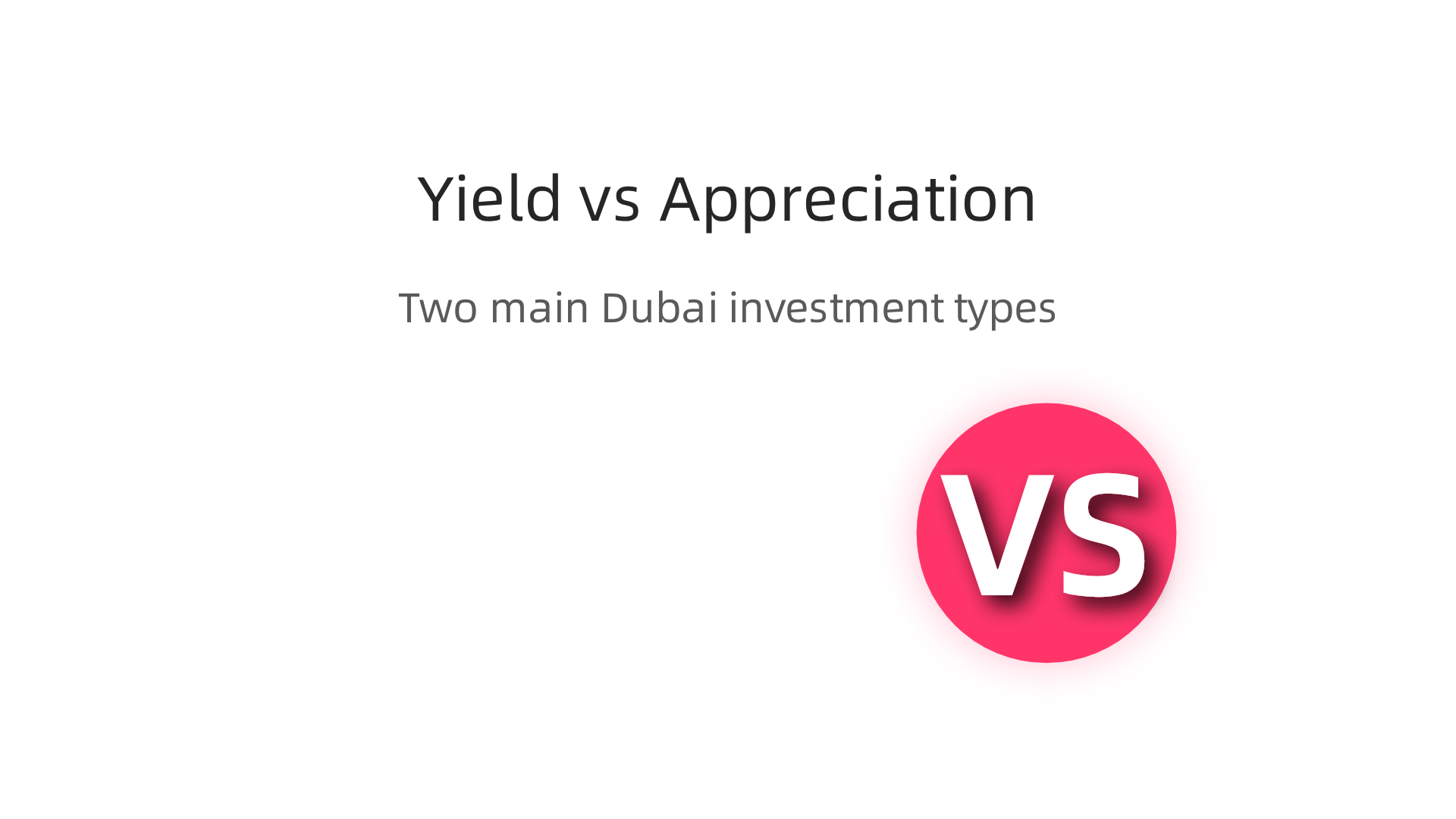
| Area Type | Focus | Example Neighborhoods | Best For |
|---|---|---|---|
| High Yield | Rental income | International City, Dubai South | Cash flow now |
| High Appreciation | Capital growth | Palm Jumeirah, Emirates Hills | Long term value |
The trick is matching the area to your personal investment planning. If you need income to cover a mortgage, pick yield. If you can wait, pick appreciation.
Master planned communities and infrastructure
Dubai builds in big strokes. Entire communities rise from the desert with schools, parks, shops, and transport already in place. These master planned areas attract tenants and hold value better than standalone buildings.
Infrastructure projects matter a lot too. The Dubai Metro extensions, new roads, and the Al Maktoum International Airport expansion all shape what happens to property prices nearby. In 2025, sales surged 22.5% compared to the previous year partly because of new transport links and urban development, as noted in the Dubai Property Market Mid-Year 2025 Update. Keep an eye on what the government is building. That tells you where demand will move next.
Tools for location evaluation
You do not need to guess. Use real data to pick your spot. Start with transaction history. Look at how many properties sold in a neighborhood over the last year. A high number means active demand.
Next, check rental turnover. If apartments change tenants often, that could mean weak desirability. Low turnover usually signals a stable community.
Finally, look at occupancy rates. A neighborhood with 90% plus occupancy is a safe bet. One with 70% might have oversupply or other problems.
This is a core part of how to get in real estate investing the right way. Do your homework on the micro market before you sign anything.
To really dig into the numbers and find a partner who knows these neighborhoods, start with a due diligence guide to choosing a real estate investment company in Dubai. It will save you from costly mistakes.
3. Foundational Principle #2: Due Diligence and Legal Framework
You have found the perfect neighborhood. Now comes the part that scares most new investors: the legal side. Do not worry. Dubai has built a clear system to protect buyers. You just need to know who is in charge and what paperwork matters.
Who runs the show
Three main bodies keep the market honest.
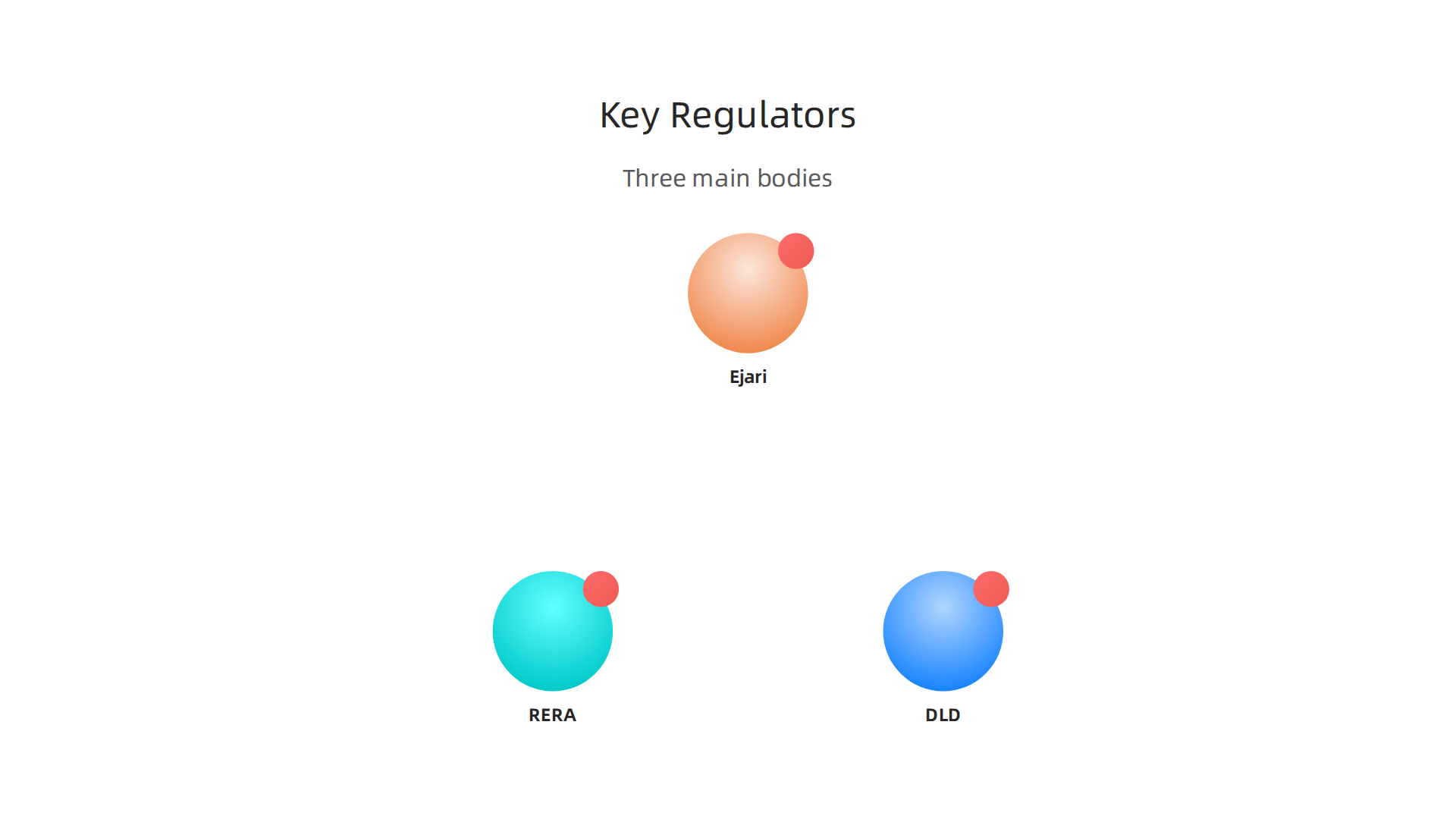
The Dubai Land Department (DLD) is the top authority. It handles property registration, records every sale, and works to make the sector more competitive on a global scale through its ongoing Strategic Plan 2026, as outlined by Dubai Land Department’s rules and regulations.
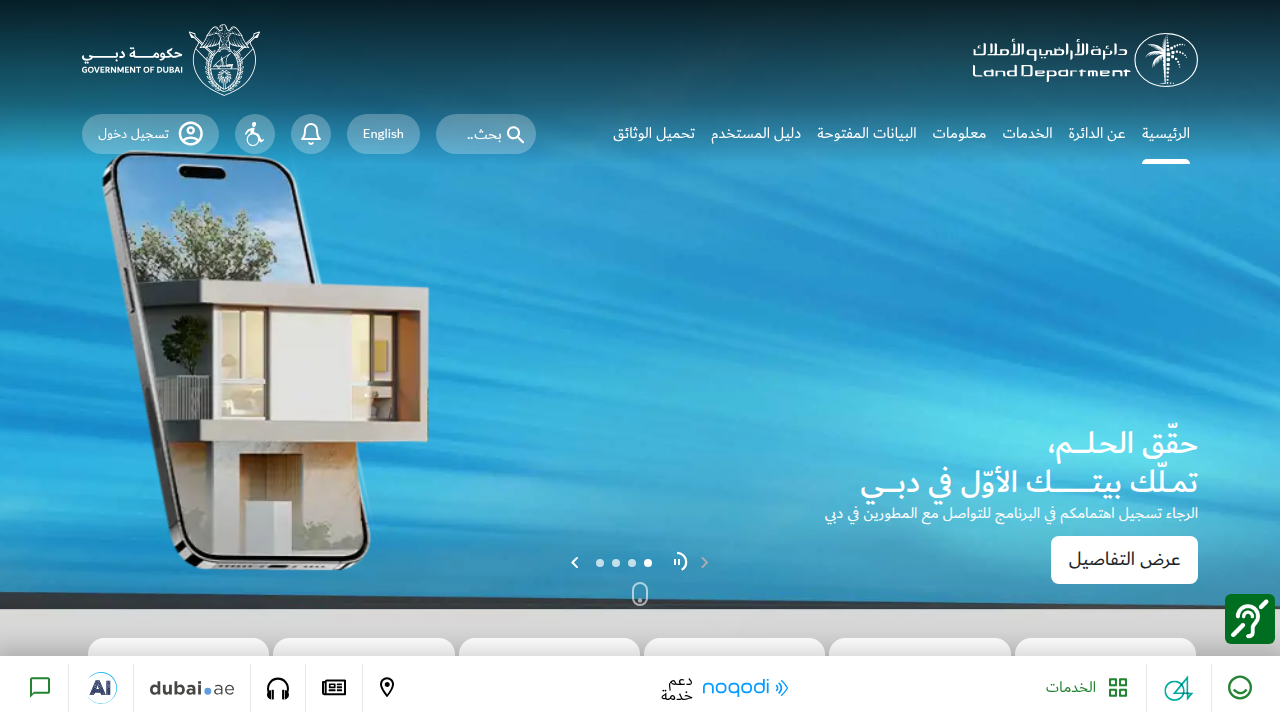
Think of the DLD as the ultimate record keeper.
Below the DLD sits the Real Estate Regulatory Authority (RERA). RERA writes and enforces the rules for developers, brokers, and agents. Every project must be registered with RERA before any sales happen. All brokers and agents must pass a RERA certification exam and appear in the official register, according to what RERA is in Dubai for 2026.
If someone cannot show you their RERA card, walk away.
Then there is the Ejari system. Ejari registers your tenancy contract with the government. It makes your rental agreement official and protects both landlord and tenant. Without Ejari, your lease does not really exist in the system.
Key documents you need to know
When you buy, you will see these documents again and again.
- Oqood: This is your initial registration certificate for an off-plan property. It proves you have a legal claim to the unit while it is being built.
- Title Deed: This is your proof of full ownership. Once your property is complete and paid off, the DLD issues a Title Deed in your name.
- Service Charges Certificate: Developers charge annual fees for maintaining common areas, security, and amenities. Always get the latest certificate so you know the real cost of ownership.
- NOC (No Objection Certificate): When you resell a property, the developer must issue an NOC confirming there are no outstanding dues. No NOC means no transfer.
Off-plan vs. ready property
This is one of the biggest decisions in your investment planning. Both paths have different risks and rewards.
Off-plan means you buy a property that does not exist yet. You pay in stages as construction progresses. The upside is a lower entry price and payment plans. The downside is delay risk. Dubai protects you here. Law No. 8 of 2007 requires every developer to open a dedicated escrow account for each off-plan project. All buyer payments must go into that account. The developer cannot touch the money until construction milestones are met. The escrow account regulations from Betterhomes explain how this law keeps your funds safe. As the Dubai Land Department FAQ confirms, this rule applies to all developers selling off-plan units in Dubai.
Ready property means you buy something already built. You can see it, inspect it, and move in right away. Rent starts flowing immediately. There is no construction risk. But you pay more upfront.
Both choices work. The key is understanding the tradeoff. Off-plan offers leverage and lower buy-in. Ready property offers immediate cash flow.
To make sure you do this right, take a moment to review a clear due diligence guide to choosing a real estate investment company in Dubai. It walks you through exactly what to check before you trust anyone with your money.
4. Foundational Principle #3: Financial Fundamentals – Cash Flow and Capital Appreciation
You have the legal framework down. You know who RERA is. You understand escrow. Now it is time to talk about the part that really matters: the money. A lot of people talk about making money in Dubai. But do you know exactly how the numbers work?
Let us break it down into two simple ideas. Cash flow through rental yield. And long-term growth through capital appreciation.

How to calculate your real cash flow (Net Yield)
Most agents will throw a big number at you. "This area gives you 8% gross yield!" Sounds great. But that 8% is before your costs.
To get your net yield, you must subtract these four things:
- Service Charges: In Dubai, these range from AED 3 to AED 30 per square foot. You can check the official Service Charge Index in Dubai to see exactly what you will pay.
- Maintenance: Things break. AC units fail. Set aside 1-2% of the property value each year.
- Agency Fees: If you use an agent to find tenants, that usually costs 5% of the annual rent.
- Vacancy Periods: No property rents 365 days a year. Assume 2-4 weeks empty.
So that 8% gross yield can easily drop to 4% or 5% net. As of April 2026, the average rental yield in Dubai sits around 6.68%, with apartments performing slightly higher at 7.15%. This makes Dubai one of the best places in the world for real estate for investment. But you must do the math yourself.
What drives capital appreciation
Cash flow pays your bills. Capital appreciation builds your wealth. Property prices grow when demand is higher than supply. Right now, demand is very strong because of population growth, new mega projects, and global investors looking for a safe market.
However, smart investors also watch the supply side. International credit rating agencies predict that oversupply could temporarily lead to a price drop of up to 10-15%. This is part of normal market cycles. Do not let it scare you. Let it prepare you.
Your total return and why taxes matter so much
Here is where Dubai changes the game for your investment strategy.
To get your total return, add your net rental yield to your capital appreciation.
- Net Yield: 5%
- Capital Appreciation: 3-5% per year
- Total Return before tax: 8-10%
Now for the best part. Dubai has zero property tax and zero capital gains tax. In the US or Europe, taxes can eat 30-50% of your profit. In Dubai, you keep almost everything.
This is why good investment planning here is so powerful. You can reinvest your full profit to grow your portfolio faster.
If you are just starting out, you might not want to buy a whole villa right away. You can start with a smaller entry point. Check out our guide on co-investment real estate in Dubai to learn how to own premium property for less.
To see exactly how these numbers play out in different areas, watch this breakdown of the best Dubai areas for rental property investment in 2026.
If you are serious about building wealth here, you also need to think about your ownership structure. Read our guide on how UAE corporate tax affects your Dubai property investment structure to make sure you keep all your returns working for you.
5. Foundational Principle #4: Developer Reputation and Project Viability
You know how to calculate your returns. You understand the tax advantages. But there is one big factor that can make or break your real estate as an investment strategy: the developer building your project.
A bad developer can turn your dream investment into a nightmare. Delays, quality issues, or even total project cancellation can destroy your cash flow and capital appreciation. A good developer makes the entire process smooth and profitable.
So how do you tell the difference? You need to know the green lights and red flags.
Green Lights: What to look for
First, the developer must be registered with RERA. Every legal project in Dubai needs proper approval. You can learn more about this in the complete guide to what RERA is in Dubai 2026. This registration protects your money through the escrow system.
Second, look at their track record. Have they delivered previous projects on time? Has the quality been good? The best developers in Dubai like Emaar, DAMAC, Sobha Realty, and Ellington have built strong reputations. Check out the ranking of top 10 real estate developers in Dubai in 2026 to see who leads the market.
Third, look for transparent payment plans. A good developer gives you clear milestones and a fair schedule.
Red Flags: What to avoid
Be careful with developers who offer extremely aggressive discounts. If the price seems too good to be true, it usually is. This can be a sign of financial trouble.
Other warning signs include:
- Mass cancellations of previous projects
- Frequent delays without good reasons
- Projects not registered with the Dubai Land Department
- Poor customer reviews from past buyers
The DLD works hard to improve the entire sector. You can read about the Dubai Land Department’s Strategic Plan 2026 to see how they regulate the market. But you still need to do your own homework.
How to check a developer yourself
Doing this careful check is a critical part of your investment planning. You should verify everything before you sign. You can learn the full process in our guide on how to perform due diligence when choosing a real estate investment company in Dubai.
Visit completed projects. Talk to people who already live there. Check official RERA records. This might take a few hours, but it protects your money for years.
In a market like Dubai, where new projects launch all the time, developer reputation is your safety net. The best investment for real estate is one with a builder you trust. When you pick the right developer, you set yourself up for strong returns and real peace of mind.
6. Foundational Principle #5: Market Timing and Investment Cycles
You know how to spot a good developer. You understand your return numbers. But now comes the part that even experienced investors sometimes get wrong. It is knowing when to buy.
Market timing sounds like a scary term. Actually, it is simpler than you think. Dubai real estate moves in clear cycles. Understanding these cycles can protect your money and boost your profits.
The four phases of the Dubai cycle
Dubai real estate does not go straight up. It moves in waves. The team at Aeon & Trisl explains this well in their look at Dubai Property Cycles Explained (2026–2035). The market goes through four phases:
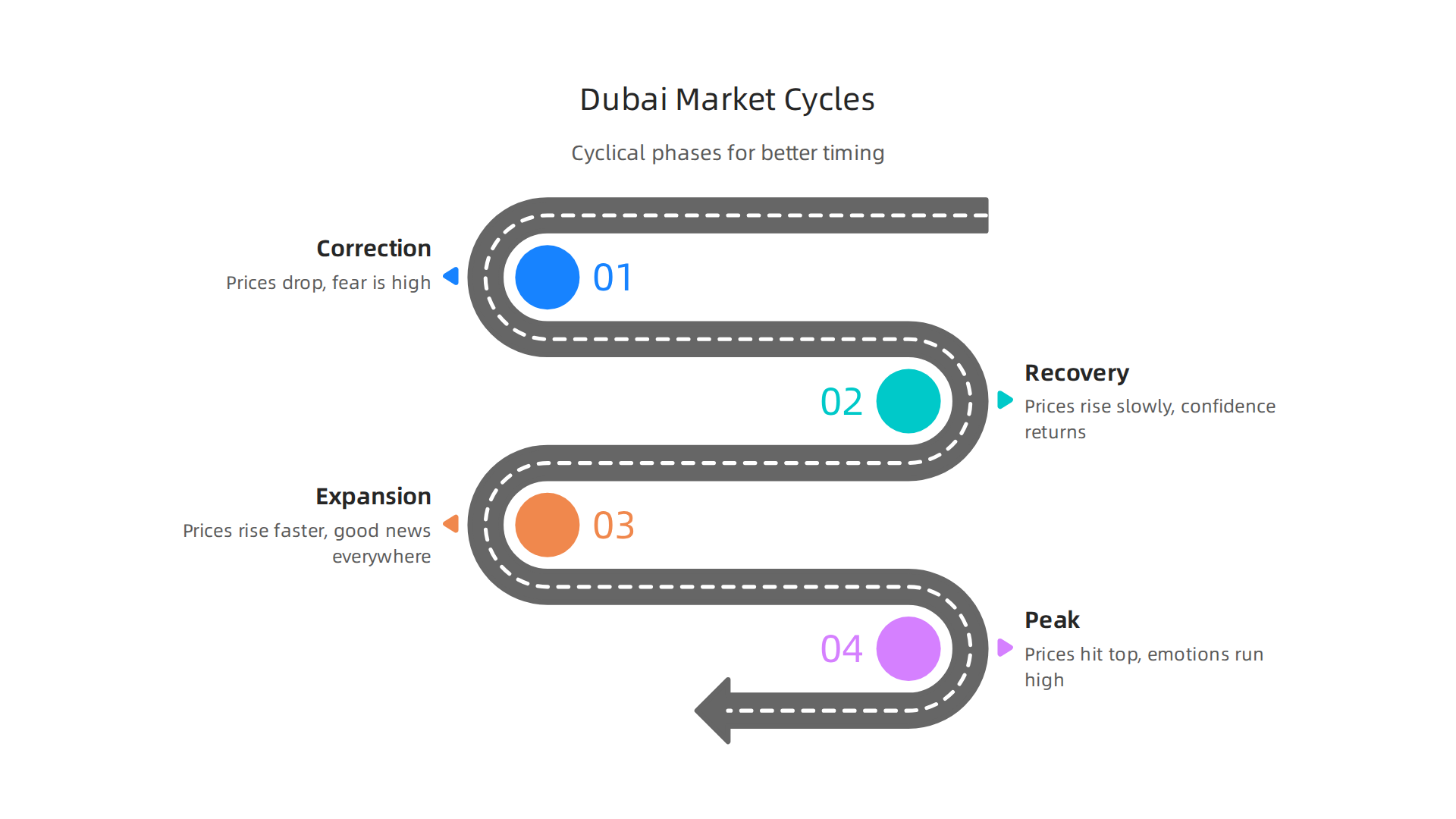
- Correction (Capital Repositioning): Prices drop. Fear is high. This is often the best time to buy for long-term gains.
- Recovery (Accumulation): Prices start to rise slowly. Confidence returns. Smart investors buy more here.
- Expansion: Prices rise faster. Good news is everywhere. More people want to buy.
- Peak (Boom): Prices hit the top. Emotions run high. This is usually the best time to sell or hold for rental income.
Where are we in 2026?
This is the million dollar question. According to the Property Price Forecasts Dubai (2026) report, prices are still near their highest levels. But the growth rate is clearly slowing down.
The market is transitioning. The Engel & Völkers analysis confirms that concerns about a price decline are real after such a strong run. Most indicators point to a plateau. Supply is catching up with demand. Buyer sentiment is becoming more careful.
The Global Property Guide analysis describes this as a "more balanced phase." That is actually healthy. It means the market is cooling off from the top without crashing.
How to adjust your strategy for each phase
Here is how you can use this knowledge for your investment planning:
- In a boom (like we saw in 2023-2024): This is a time to be careful. Buying at the peak can hurt your returns. It is often better to sell or hold for rental yield.
- In a correction: This is the best time for real estate as an investment strategy. Prices are lower. Sellers are motivated. You can find real value.
- In recovery/expansion: Buy with confidence. Prices are going up, but you are not chasing the very top.
The key is to avoid emotional decisions. Many people wait until the boom is loudest to buy. But smart investors buy when others are cautious.
Your next step
If you want to get started but worry about timing the market perfectly, there are flexible ways to enter. You can explore co-investment real estate in Dubai to own premium property without overexposing yourself at any single point in the cycle.
Also remember that your tax and legal structure matters depending on when you buy and sell. The UAE corporate tax rules in 2026 are very different for short-term flips versus long-term holds.
You can learn the full process of checking all these factors in our complete due diligence guide for choosing an investment partner in Dubai.
Timing the market does not mean guessing. It means understanding the rhythm. When you combine this with a strong developer and a clear financial plan, you set yourself up for real success.
7. Foundational Principle #6: Building a Diversified Portfolio in Dubai
You already know how to read the market cycles. Now let’s talk about something just as important: not putting all your money in one place.
Diversification is a big word, but it simply means spreading your risk.

In real estate for investment, this is your safety net. If one part of the market slows down, another part might keep growing.
Let’s break down how to build a smart, balanced portfolio in Dubai.
Mix your asset types
You don’t have to choose just one kind of property. Smart investment planning includes a mix:
- Residential: Apartments and villas. These give you steady rental income. Areas like Dubai Marina and JLT offer high rental yields.
- Commercial: Offices and retail spaces. These can give higher returns but often come with longer vacancy periods.
- Off-plan vs. ready: Off-plan properties let you buy at lower prices and pay over time. Ready properties give you income from day one.
A balanced real estate as an investment strategy includes both. For example, use ready properties for cash flow and off-plan for long-term capital growth.
Geographic diversification within Dubai
Different areas of Dubai behave differently. Some areas are high-yield (good for rental income). Others are high-growth (good for price appreciation).
- High-yield areas: Deira, Bur Dubai, International City. Rents are lower, but the yield (return on your money) can be higher.
- High-growth areas: Dubai South, Expo City, Dubai Creek Harbour. Prices are expected to rise more as these areas develop.
The key is to combine them. As the United Arab Emirates’ Residential Property Market Analysis 2026 points out, Dubai is in a more balanced phase now. That means both types of areas have opportunities.
Plan your exit early
How will you get your money out? This is where many investors get stuck. You need to think about exit strategies before you buy.
- Resale: Selling the property for a profit. Works best when you buy in a growth phase.
- Lease-to-own: You rent the property with an option to buy later. Less common in Dubai but possible with some developers.
- Hold for income: Keep the property and collect rent for years. This is good for steady cash flow.
Liquidity matters. Real estate is not like stocks. You cannot sell it in minutes. If you need cash fast, holding a property might not be the best option. That’s why having a mix of property types and areas helps.
A practical way to start diversifying
If you are new to how to get in real estate investing, starting with a single property is fine. But as you grow, aim to add different types and locations.
If you want to diversify without buying a whole property alone, check out co-investment real estate in Dubai. It lets you own a share of premium property with less money.
Also, remember that your tax and legal setup changes with different investment planning goals. Read about how UAE corporate tax affects your Dubai property investment structure to plan better.
Building a portfolio takes time. Start simple. Add variety. And always keep your exit in mind. That is how you turn real estate into a long-term wealth machine.
Summary
This guide explains how to approach real estate investing in Dubai in 2026 by focusing on six practical principles: understanding the current market landscape, choosing the right micro‑market, completing legal due diligence, calculating true cash flow and total returns, vetting developers, timing purchases within market cycles, and building a diversified portfolio. It uses recent market data and legal context to show why Dubai remains attractive — high transaction volumes, strong rental yields, and no property or capital gains tax — while warning about supply risk, hidden costs and developer failures. Readers will learn how to compare high‑yield versus high‑appreciation areas, what key documents and protections (like escrow, Oqood and Title Deed) to demand, how to run net yield math, and practical entry options such as co‑investment. By the end you will have a clearer checklist for due diligence, ways to lower entry cost, and a framework to plan purchases and exits that fit your goals.