
Dubai REITs Are the Game Changer for Property Investors in 2026
· 19 min read

Introduction: Why REITs Are a Game-Changer for Dubai Property Investors
Let’s be honest. Buying a villa in Palm Jumeirah sounds amazing. But most of us don’t have a few million dirhams sitting around. And even if you do, buying physical property comes with headaches. High entry costs. Long paperwork. Tenants calling at 2 AM.
That is where the best real estate investment trusts change everything.
Think of REITs as a way to own a slice of Dubai’s booming property market without buying an actual apartment. You get shares in a trust that owns hotels, malls, and office towers. The trust pays you most of the rental income as dividends. Simple.
Dubai has come a long way in 2026. The regulatory framework now supports REITs with transparency that attracts international investors. According to the 2026 guide on Dubai REITs and available options for investors, fractional ownership structures are becoming more data driven and accessible.
You can start with much less capital.
Here is the thing. Many people still think direct property is the only path. But alternative investment solutions like REITs solve two huge problems: liquidity and diversification. You can sell your REIT shares in minutes. Try doing that with a villa.
If you are exploring investment fund UAE options or looking into real estate co investment structures, understanding REITs gives you a powerful comparison tool. You can weigh direct ownership against securitized real estate and decide what fits your portfolio.
For a deeper dive, check out this guide on how to invest in Dubai REITs in 2026.
It walks through the practical steps.
If you are serious about making smart moves in Dubai property but feel overwhelmed by options, you do not have to figure it out alone.

Get a FREE Dubai real estate consultation with Ayaz Salman. He helps investors like you compare REITs, direct purchases, and co-investment opportunities. No pressure, just practical advice.
What Are Real Estate Investment Trusts (REITs)?
Let’s start with a simple definition. A Real Estate Investment Trust is a company that owns, operates, or finances income-producing property.
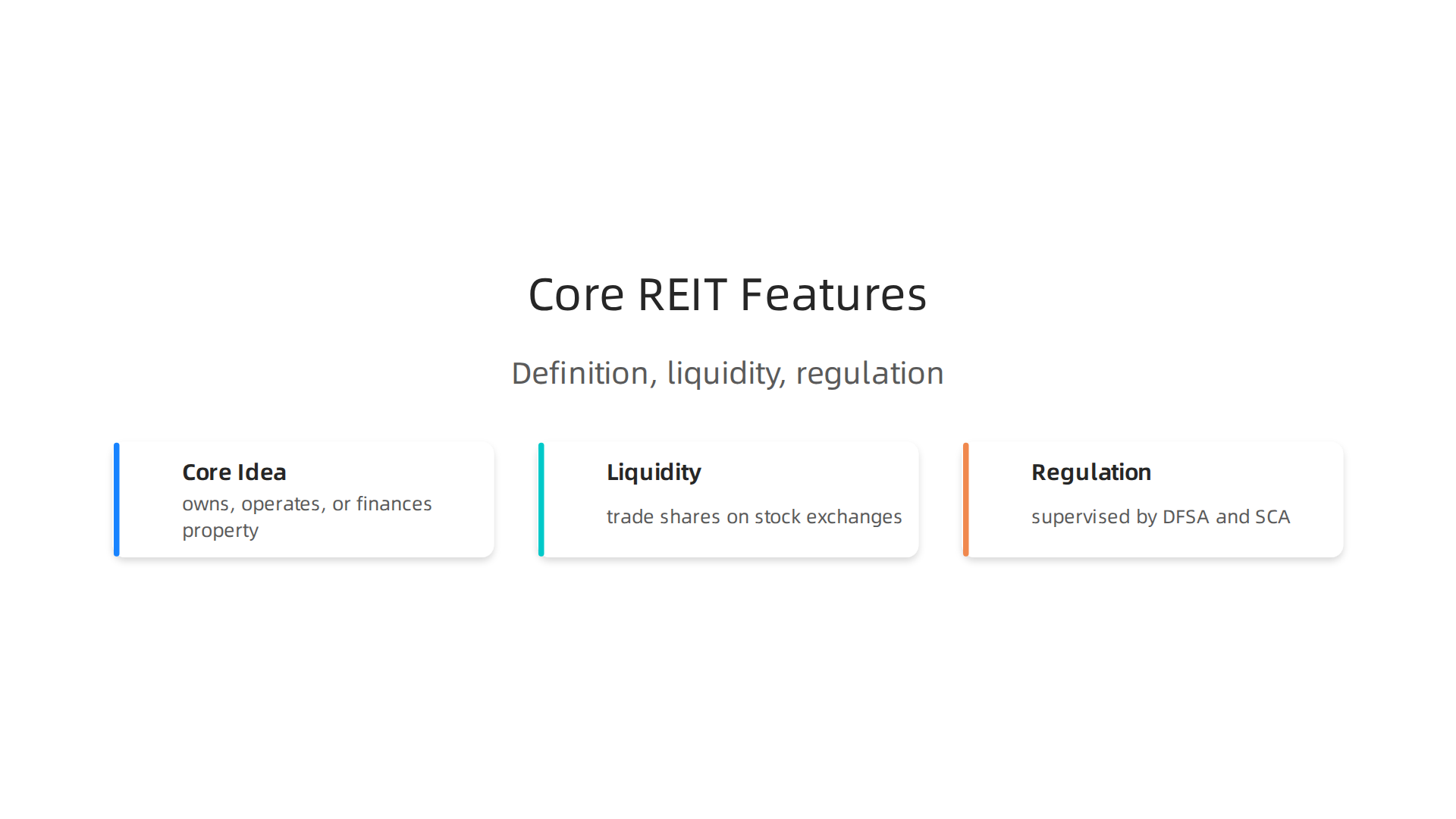
Think office towers, hotel chains, shopping centers, and apartment buildings. Instead of buying a villa or an apartment yourself, you buy shares in the trust. The trust collects the rent and other income from its properties. Then it pays most of that income back to you as dividends.
That is the core idea. But there is more to it.
REITs trade on major stock exchanges just like regular stocks. You can buy and sell them in minutes during market hours. Try doing that with a physical apartment in Dubai Marina. This liquidity is a huge advantage. It is one of the main reasons investors looking for alternative investment solutions move away from direct ownership toward REITs.
Here is the thing about the rules in Dubai. The regulatory setup is solid. REITs inside the Dubai International Financial Centre (DIFC) are supervised by the Dubai Financial Services Authority (DFSA). The DFSA follows the Collective Investment Law 2010 to ensure transparency and fair dealing. Onshore REITs fall under the Securities and Commodities Authority (SCA), which is the federal regulator for securities markets across the UAE. Both bodies work together on oversight. This dual structure gives you a strong safety net.
When you compare investment fund UAE options, REITs sit in a sweet spot.

You get real estate exposure without the hassles of being a landlord. And because REITs often hold diverse portfolios, you spread your risk across multiple properties. That is a form of real estate co investment that works well for people who want to start small.
If you want to see which trusts are performing well and how to pick the best real estate investment trusts for your portfolio, the next section breaks down the top options in Dubai right now.
For a practical walkthrough of the buying process, read this step-by-step guide on how to invest in Dubai REITs in 2026.
And if you would like personal help figuring out which REITs fit your goals, Ayaz can walk you through it. Get a FREE Dubai real estate consultation with Ayaz Salman. He helps investors compare REITs, direct purchases, and co-investment structures. No pressure, just practical advice.
How REITs Generate Returns for Investors
So how do REITs actually make you money? It is simpler than you might think. There are two main ways.
First, there is dividend income. REITs own buildings that people and businesses pay rent for. That rent flows up to the trust. By law, REITs must pay out most of that income to shareholders. In Dubai, many trusts target a payout ratio of at least 80% of their profit, as seen in the Dubai Residential REIT listing announcement.

And they deliver. Unitholders of Dubai Residential REIT recently approved AED 550 million in cash dividends for the second half of 2025, contributing to AED 1.10 billion for the full year. That is real cash in your pocket.
Right now, dividend yields for Dubai-based REITs typically range between 6% and 8%, according to market analysis from Kaizen. That beats most savings accounts and many bonds.
Second, there is capital appreciation. When the properties inside a REIT go up in value, the price of the REIT shares tends to rise too. You can sell your shares for more than you paid. For example, Dubai Residential REIT saw revenue rise 8.1% year on year to AED 996 million in the second half of 2025, driven by higher rental rates. That growth pushes both dividends and share prices higher.
Your total return is the combination of those dividends plus any share price gains. Over time, REITs have shown competitive total returns compared to regular stocks and bonds. This makes them a solid option for anyone exploring alternative investment solutions in the region.
The best part? You get this whole package without ever fixing a leaky faucet or chasing a late-paying tenant. That is the beauty of real estate co investment through a trust structure. And if you want to compare yields across multiple options to find the best real estate investment trusts, you can easily screen them like any stock.
For a deeper look at how financial regulations shape these returns, check out this due diligence guide on real estate trust investment in Dubai. It explains how the legal setup protects your income.
If you want personalized help picking REITs that match your income goals and risk comfort, Ayaz Salman can review your situation one on one. Get a FREE Dubai real estate consultation with Ayaz. He helps investors compare dividend yields, growth potential, and tax implications for different investment fund UAE options. No sales pitch, just honest guidance.
Types of REITs: Equity, Mortgage, and Hybrid Explained
Now that you know how REITs put cash in your pocket, it’s time to talk about the different kinds. Not all REITs work the same way. Picking the right type matters a lot for your goals and risk comfort.
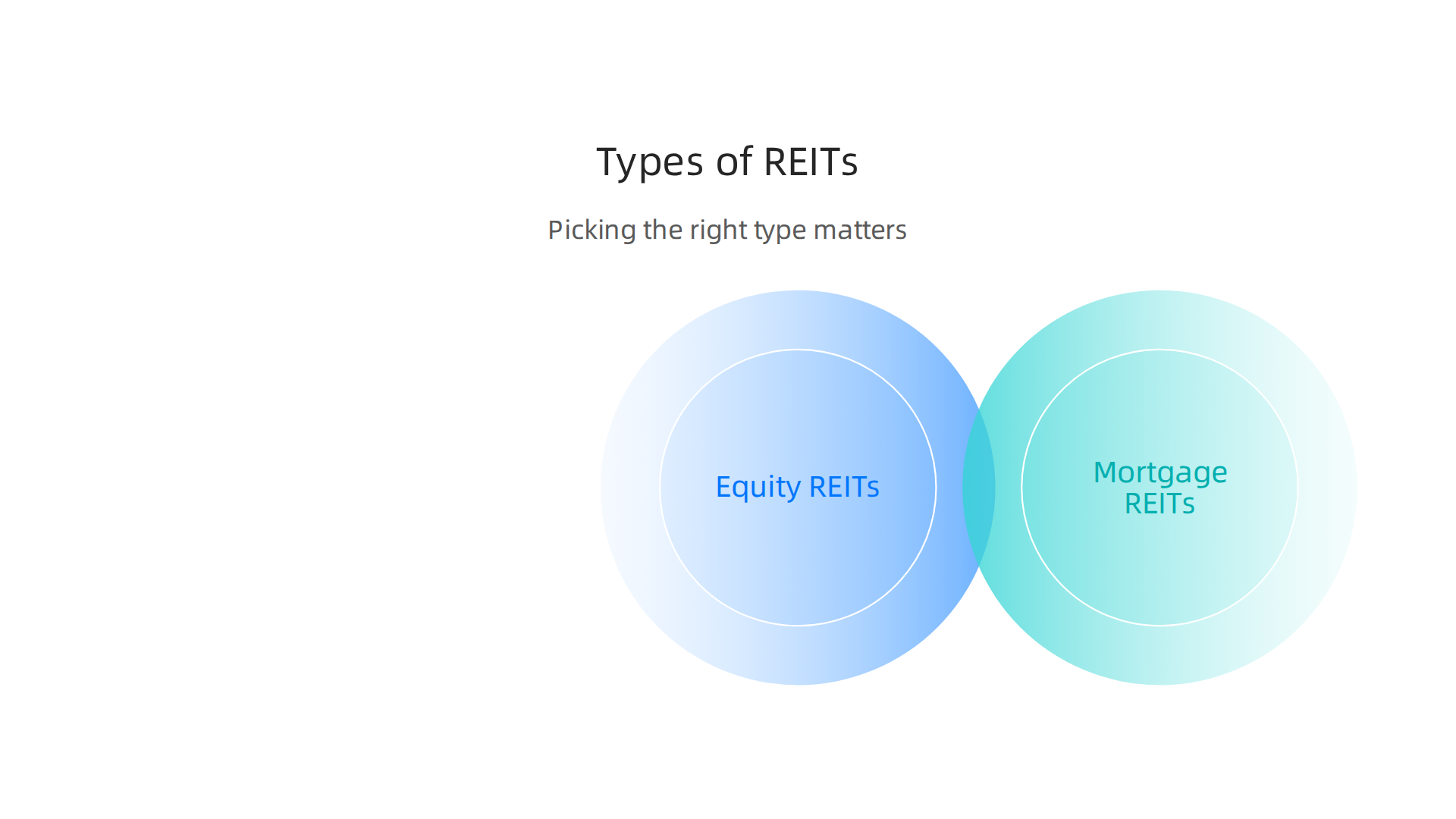
Let’s break down the three main types.
Equity REITs are the most common kind, especially in Dubai. These trusts own and operate actual properties like apartment buildings, offices, malls, or warehouses. They earn money mainly through rent. When tenants pay their lease, that income flows to you as a dividend. Most of the best real estate investment trusts in this category are publicly listed and regulated. For example, Emirates REIT is a well-known equity REIT that owns commercial property in the Dubai International Financial Centre. It falls under the DFSA’s Collective Investment Law, which gives investors clear legal protection. Equity REITs tend to offer steady dividends plus some long-term growth as property values rise. They are a solid choice if you want regular income with moderate risk.
Mortgage REITs (mREITs) work differently. Instead of owning buildings, they lend money to real estate owners by buying mortgages or mortgage-backed securities. Their earnings come from the interest on those loans. This makes them more sensitive to interest rate changes. When rates go up, their profits can shrink. In the UAE, mortgage REITs are less common but still exist as part of the investment fund landscape regulated by the SCA. They can offer higher yields, but they also carry more risk. If you are exploring alternative investment solutions and want a higher potential return with more volatility, an mREIT might fit. But they are not for everyone.
Hybrid REITs blend both strategies. They own some properties and also invest in mortgages. This mix can balance risk and reward. Hybrid REITs are less common in Dubai, but they give you exposure to both rental income and interest income in one fund. They can be a good middle ground if you are unsure which pure type suits you.
So why does this matter for you? Because knowing the differences helps you choose the best real estate investment trusts for your portfolio. Equity REITs are a great starting point for passive income and long-term growth. Mortgage REITs offer higher yields but need more attention. Hybrids give you a bit of both. If you want to learn more about how to pick the right one for your situation, check out this step-by-step guide on investing in Dubai REITs. It walks you through what to look for in each type.
Still not sure which REIT type matches your goals? You don’t have to figure it out alone. Ayaz Salman can help you compare your options and build a real estate co investment plan that fits you. Get a FREE Dubai real estate consultation with him to see which REIT type works best for your income needs and risk comfort. No pressure, just honest advice.
Top Benefits of Investing in REITs for Dubai Investors
So why should you choose a REIT over buying a villa or an apartment directly? The answer comes down to three big advantages that make REITs a smart fit for many people.
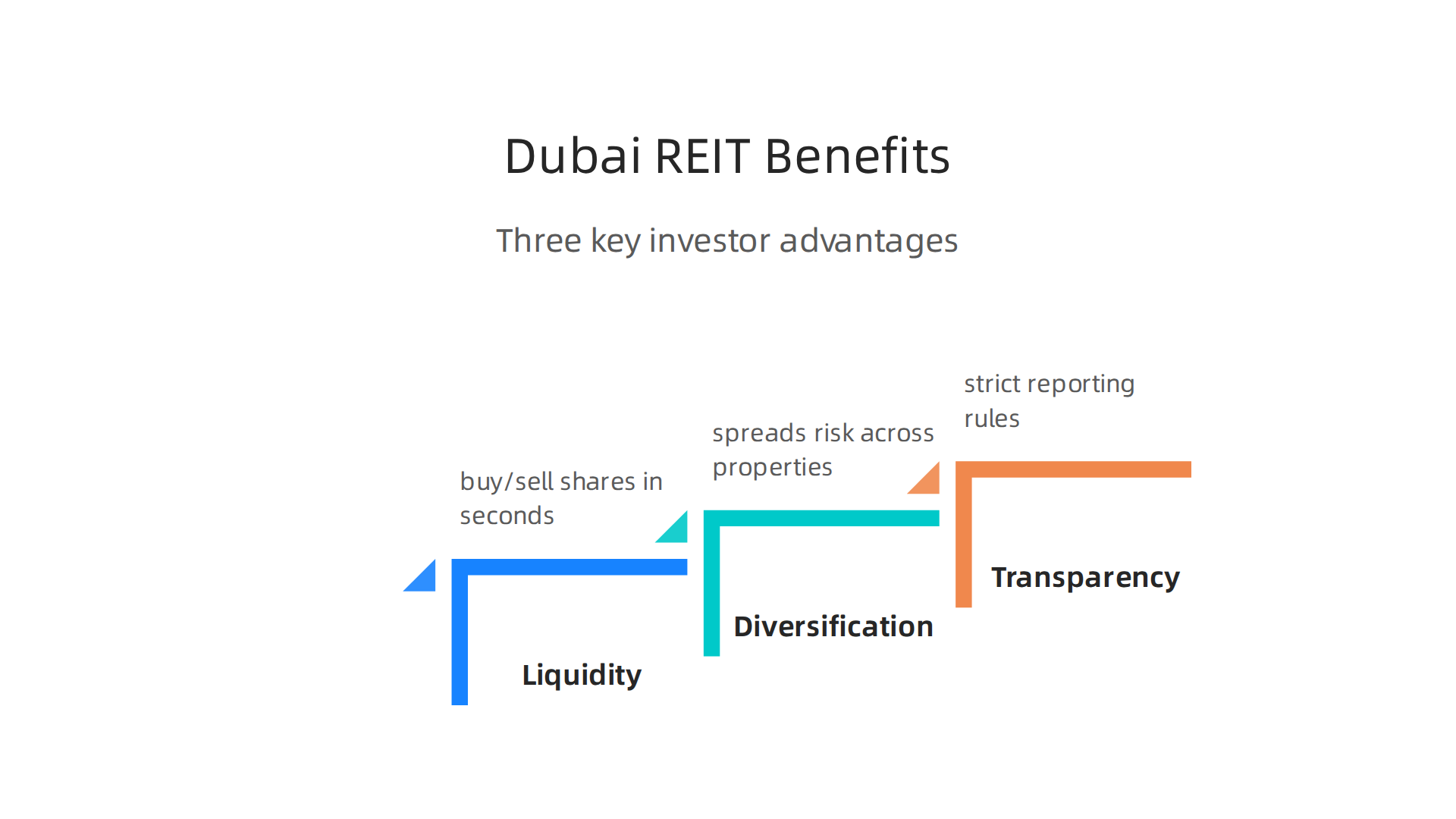
These benefits explain why so many investors now see REITs as one of the best real estate investment trusts options in the market.

Liquidity is a game changer. When you buy a physical property in Dubai, selling it can take months. You have to find a buyer, negotiate, handle paperwork, and wait for the transfer. With a REIT listed on the Dubai Financial Market, you can buy or sell shares in seconds during market hours. That flexibility matters if you ever need quick access to your cash. It makes real estate feel more like a stock investment, without the long waiting period.
Diversification spreads your risk. A single REIT can own dozens of properties across different sectors. You might get exposure to office buildings, shopping malls, residential apartments, and warehouses all in one trust. For example, Dubai Residential REIT recently reported revenue growth of 8.1% year over year, supported by strong leasing momentum and higher rental rates across its residential portfolio. That kind of spread protects you if one property type struggles. You get the stability of a broad portfolio without having to buy each building yourself. For investors looking at alternative investment solutions, this built in diversification is a major draw.
Transparency and regulation give you peace of mind. Listed REITs in Dubai must follow strict reporting rules set by the DFSA and SCA. They have to disclose their financials, property valuations, and dividend payments regularly. You are not guessing about what is happening inside the trust. You can see exactly where your money is and how it is performing. In 2025, Dubai Residential REIT unitholders approved total cash dividends of AED 1.10 billion, in line with the distribution guidance provided at listing. That level of clarity is hard to find with direct property ownership or private funds. This is what makes a listed REIT a true investment fund uae that you can trust.
These three benefits liquidity, diversification, and transparency work together to make REITs a simpler, safer way to own real estate.

And they help explain why so many investors are choosing REITs as part of their overall strategy.
If you want to see how these advantages apply to your own goals, you can explore our detailed guide on real estate trust investment in Dubai. It covers exactly what to look for when picking a REIT.
Ready to invest in a REIT that fits your needs? Ayaz Salman can help you compare your options and build a real estate co investment plan that works for you. Get a FREE Dubai real estate consultation with him to see which REIT type matches your income needs and risk comfort. No pressure, just honest advice.
Risks and Considerations: What to Watch Out For
Of course, no investment is perfect. While REITs offer real advantages, they also come with risks you need to understand before jumping in. Knowing what to watch for helps you pick smarter and avoid surprises.
Interest rate sensitivity can shake your returns. When global interest rates rise, REITs often feel the pain. Higher rates mean the trust pays more to borrow money for new properties or renovations. That cuts into profits and can lower the dividends you receive. At the same time, rising rates can push REIT share prices down as investors look for safer returns elsewhere. According to experts at Kaizen AMS, rising interest rates expected through 2025 and into 2026 could increase REIT borrowing costs and impact property valuations. This is a real risk for anyone holding REITs during a tightening cycle.
Sector concentration risk puts all your eggs in one basket. Some REITs focus entirely on one type of property, like retail malls or office buildings. If that sector hits a rough patch, your entire investment suffers. A retail-focused REIT during an ecommerce boom, for example, could see falling rents and lower occupancy. The Dubai Real Estate Investment Trusts guide from BNW explains that some REIT variants like mortgage REITs are especially sensitive to interest rate changes, which can heavily influence their profitability. That is why many investors look for diversified REITs that spread their holdings across sectors. If you want to learn how to evaluate this for yourself, check out our complete guide on how to invest in Dubai REITs in 2026.
Liquidity risk exists in thinly traded REITs. Remember how we said REITs are liquid? That is mostly true for big, popular ones. But smaller REITs with fewer shares traded each day can have wider bid-ask spreads. That means you might pay more to buy and get less when you sell. Principal Asset Management warns that investing in REITs involves special risks, including interest rate fluctuation, credit risks, and liquidity risks. So stick with well-known REITs that trade actively on the Dubai Financial Market.
The smart move is to build a balanced approach. Work with someone who understands both the upside and the downside so you can make a confident choice.
Ready to find a REIT that matches your risk comfort? Ayaz Salman can help you compare your options and create a real estate co investment plan that fits your goals. Get a FREE Dubai real estate consultation with him today. No pressure, just honest advice.
REITs vs. Direct Property Investment in Dubai: Which is Right for You?
So we have talked about the risks of REITs. But how do they stack up against buying a physical apartment or villa in Dubai? The truth is, both paths can work. It just depends on what you want.
Let’s put them side by side.
| Factor | REITs | Direct Property |
|---|---|---|
| Money needed upfront | Low. You can start with a few hundred dirhams. | High. You need a big down payment plus fees. |
| Control | Low. Professional managers make decisions. | High. You choose the property, tenant, and price. |
| Liquidity | High. You can sell your shares quickly on the Dubai Financial Market. | Low. Selling a villa or apartment can take months. |
| Daily work | None. The fund handles everything. | A lot. You deal with tenants, repairs, and paperwork. |
| Potential for gains | Limited to the share price going up plus dividends. | You control the sale price. Leverage can boost returns. |
| Risk | Market risk and interest rate risk. You saw that in the last section. | Market risk plus vacancy risk plus management headache. |
When to pick REITs
REITs shine if you want a passive slice of Dubai real estate without the hassle. You can trade them just like any stock on the DFM. As the Dubai Financial Market explains, you simply open a trading account and place buy or sell orders through a broker. That is pretty easy. REITs also let you diversify across many properties with a small amount of cash. This makes them a great alternative investment solution for busy professionals or people living outside Dubai. If that sounds like you, our detailed guide on how to invest in Dubai REITs in 2026 walks you through the exact steps.
When to pick direct property
Direct ownership is for people who want full control and are willing to put in the time. You can renovate, choose your tenant, and sell when you think the market is right. With leverage from a mortgage, your returns can be much higher. But you also take on all the risk alone. This path fits investors who have big capital and can stomach the work.
The smartest move? Use both.
Many experienced investors do exactly that. They buy a direct property for long term growth and rental income. Then they add REITs to get exposure to other sectors or to invest smaller amounts monthly.

This balance gives you the best real estate investment trusts on the market alongside the solidity of a physical asset. If you are not sure how to split your money, a professional can help you build a plan that mixes direct ownership and REITs in a way that matches your goals.
Want to see which path fits your life? Ayaz Salman offers a FREE Dubai real estate consultation to help you compare options and create a real estate co investment plan that works for you. No pressure, just honest advice.
How to Invest in the Best Real Estate Investment Trusts in 2026: A Step-by-Step Guide
So you like the idea of owning Dubai property without the hassle. You want to buy into the best real estate investment trusts available. Here is exactly how to do it in three simple steps.
Step 1: Open a Brokerage Account
You need a broker to trade on the Dubai Financial Market (DFM) or Nasdaq Dubai. This is where REITs are listed. As the DFM explains, trading a REIT is just like trading any other stock. You place a buy or sell order through your broker. The process is quick and you can even use a trading app on your phone. If you are new to this, our detailed guide on how to invest in Dubai REITs in 2026 walks you through the exact setup.
Step 2: Research and Compare REITs
This is the most important step. Not every REIT is a good fit for you. You have to look under the hood.
First, check the sector focus. Does the REIT invest in offices, shopping malls, or warehouses? Second, look at the dividend history. A strong track record of steady payments is a great sign. Third, check the expense ratio. Lower fees mean more of your money stays invested and working for you. Finally, look at who manages the fund. Good management makes a huge difference. For example, Emirates REIT is one of the largest Sharia-compliant options in the UAE. It is a great case study to see how a top REIT operates. These are the alternative investment solutions that can balance out a direct property portfolio.
Step 3: Diversify Across Multiple REITs
Do not put all your money into one REIT. Spread it out across different types of properties. Maybe buy one focused on residential units and another focused on industrial warehouses. This way, if one sector slows down, your whole investment stays safe.
You can also use REIT ETFs for instant diversification. These funds hold many REITs inside them, so you get broad exposure with a single purchase. This is a smart way to use an investment fund uae structure without picking individual stocks yourself. If you want to see how this fits into a bigger picture, you can build a solid real estate investment strategy that mixes REITs with other options.
That is really it. Open an account, pick your REITs carefully, and spread your money around. It is a clean, simple path to Dubai real estate.
If you are not sure which REITs fit your goals, or if you want to see how they work alongside a direct property you own, get some expert advice. Ayaz Salman offers a FREE Dubai real estate consultation to help you compare options and create a real estate co investment plan that works for you. No pressure, just honest advice.
Summary
This article explains how Real Estate Investment Trusts (REITs) let you own a slice of Dubai property without buying physical real estate, highlighting why they’re an increasingly popular alternative for 2026 investors. It covers what REITs are, how they produce returns through dividends and capital appreciation, and the main types—equity, mortgage, and hybrid—so you can match a fund to your goals. The guide shows practical benefits like liquidity, diversification, and regulatory transparency in Dubai, and compares REITs against direct ownership to help you choose the right approach. It also outlines the main risks—interest-rate sensitivity, sector concentration, and thin trading—and gives a simple three-step process to invest: open a brokerage account, research REITs, and diversify. After reading, you’ll understand how REITs fit into a broader Dubai property plan and be able to start screening funds or seek tailored advice to build a balanced portfolio.