
Dubai REITs and Foreign Funds Offer Smarter Property Investment Without Buying a Villa
· 20 min read

Introduction: Why REITs and Foreign Funds Are Reshaping Dubai’s Investment Landscape
Picture this. You have money ready to invest in Dubai real estate. The skyline is amazing. The returns sound incredible. But then reality hits.
Buying a property in Dubai means dealing with complex laws, finding the right developer, managing tenants, and tying up a huge chunk of cash in one single asset. For many investors, that feels risky and overwhelming.

That’s where a smarter option comes in.
Real Estate Investment Trusts (REITs) and foreign investment funds let you invest in Dubai property without buying a single apartment or villa yourself. Instead of owning one villa in Palm Jumeirah, you can own a small piece of dozens of income-producing properties across the city. You get regular dividends, daily liquidity, and professional management handling all the details.
The numbers show why this matters. According to the latest REITs Statistics: Key Trends In 2026 from DoorLoop, REITs globally own over $4.5 trillion in real estate assets and more than 535,000 properties. That is serious scale.
For Dubai specifically, the market has matured fast. New REIT listings, government backing, and growing foreign interest have created opportunities that did not exist a few years ago. Whether you are looking at a singapore real estate investment trust for global diversification or a real estate investment trusts in singapore structure as a comparison benchmark, the principle is the same. REITs give you property exposure without the headaches.
This guide evaluates the top global and Dubai-specific top real estate investment trusts, explains how foreign investment fund options work in the UAE, and gives you an actionable framework to decide which path fits your goals best.
We will look at the data. We will compare the choices. And we will help you move forward with confidence.
If you want to explore the full picture of how property trusts are changing the game in Dubai, check out this detailed resource on Dubai REITs are the game-changer for property investors — it breaks down exactly why this investment method is gaining traction in 2026.

Ready to invest smarter? Let us get into it.
What Are Real Estate Investment Trusts (REITs) and How Do They Work?
Let us break down what a REIT actually is. In simple terms, a Real Estate Investment Trust is a company that owns, operates, or finances income-producing real estate. Think of it like a mutual fund for property. Instead of buying a whole building yourself, you buy shares in a company that owns many buildings. This instantly gives you diversification, professional management, and daily liquidity.
Here is the thing that makes REITs special. By law, most REITs must pay out at least 90% of their taxable income to shareholders as dividends. This rule was created to encourage real estate investment through the public market. In return for meeting this requirement, REITs generally do not pay corporate income tax. For you as an investor, this means consistent, often generous, dividend yields. According to the latest market data from Quarterly REIT Performance Data provided by Nareit, equity REITs have shown strong total returns in 2026.

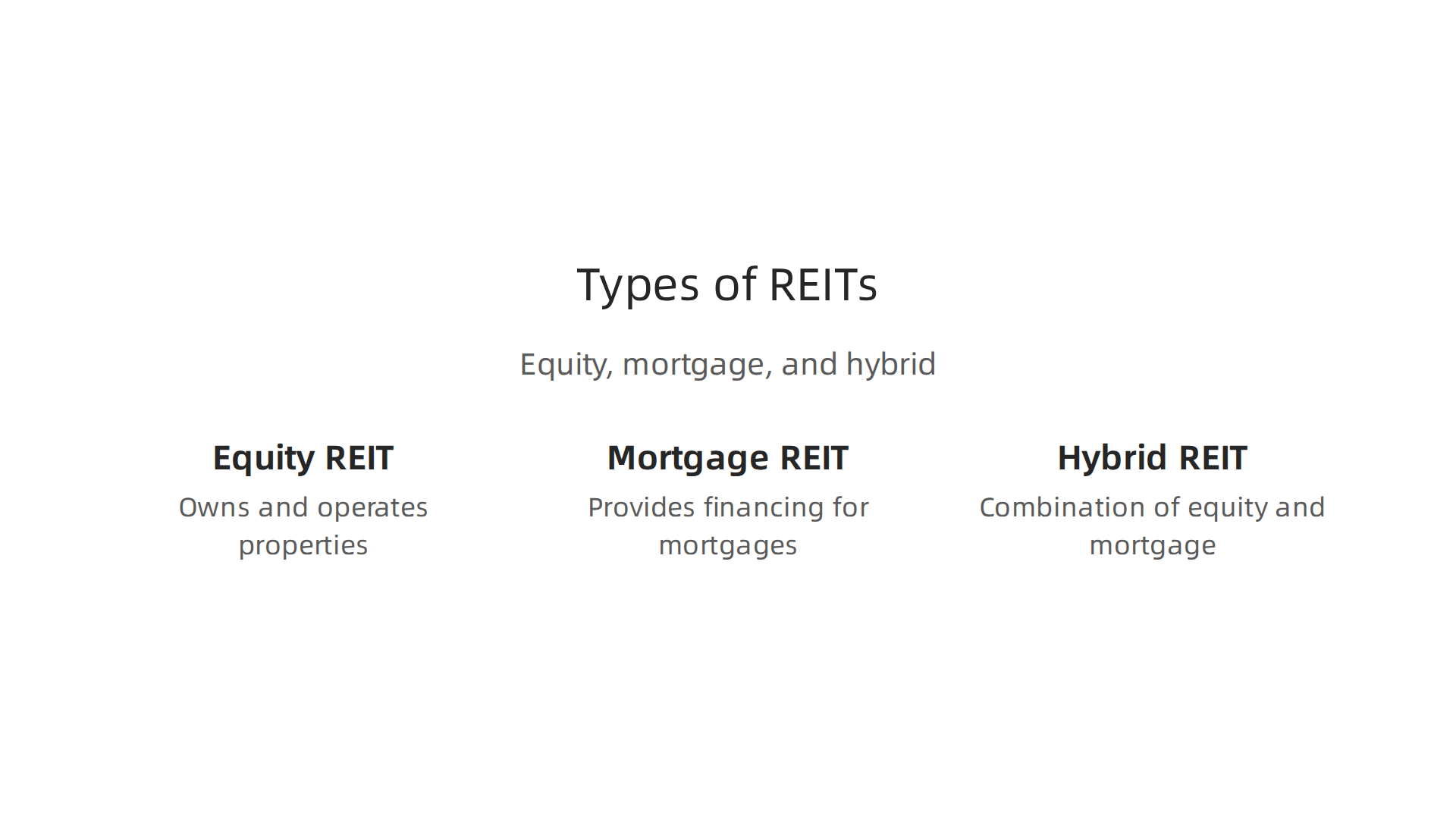
To choose the right path, you need to understand the three main types of REITs. An Equity REIT owns and operates physical properties like apartments, offices, and malls. It makes money mainly through rent. A Mortgage REIT (mREIT) provides financing for real estate by buying mortgages or mortgage-backed securities. It profits from the interest. A Hybrid REIT does a bit of both.
When evaluating a foreign investment fund structure, knowing the type tells you exactly where the returns are coming from. For instance, understanding how a singapore real estate investment trust operates helps you compare it to a Dubai-based fund. These regional differences matter a lot. We have a detailed resource on Real Estate Investment Trusts Malaysia that explains exactly how those structures compare to direct Dubai property ownership.
So how do the top performers actually stack up? Looking at the numbers makes it real. Recent data cited in the 2026 REITs List from Sure Dividend shows top performers with expected total returns ranging from 14% to over 22%. Meanwhile, an analysis of the 10 Top REITs for May 2026 from SoFi highlights strong dividend yields in sectors like healthcare, hospitality, and retail. For long-term thinkers, the 10 Best Performing REITs research from YCharts shows that a wise investment a decade ago could have nearly tripled your money. Morningstar analysts have also identified The Best REITs to Buy for 2026, focusing on those trading at attractive discounts.
Understanding these basics is the foundation. Once you grasp how REITs work, the next step is deciding which global market or specific fund aligns with your goals. Navigating the options between a Dubai-focused fund and international giants can feel complex. That is why getting expert guidance is so important. If you are ready to take the next step and find the right opportunity, connect with Ayaz Salman for a FREE Dubai Real Estate Consultation to discuss your specific investment needs.
Top Global REITs to Watch in 2026: Performance and Strategy
When you look at the top real estate investment trusts in 2026, you find strong players across the United States, Europe, and Asia. Each region gives you exposure to different property sectors like office, retail, industrial, healthcare, and residential. Knowing which regions and sectors are performing well helps you build a balanced portfolio.

To compare these funds, you need a few key numbers. Dividend yield shows how much income you get each year. Total return includes both dividends and price changes. Payout ratio tells you how much of the profit is paid out versus kept for growth. And loan-to-value ratio (LTV) shows how much debt the REIT carries.
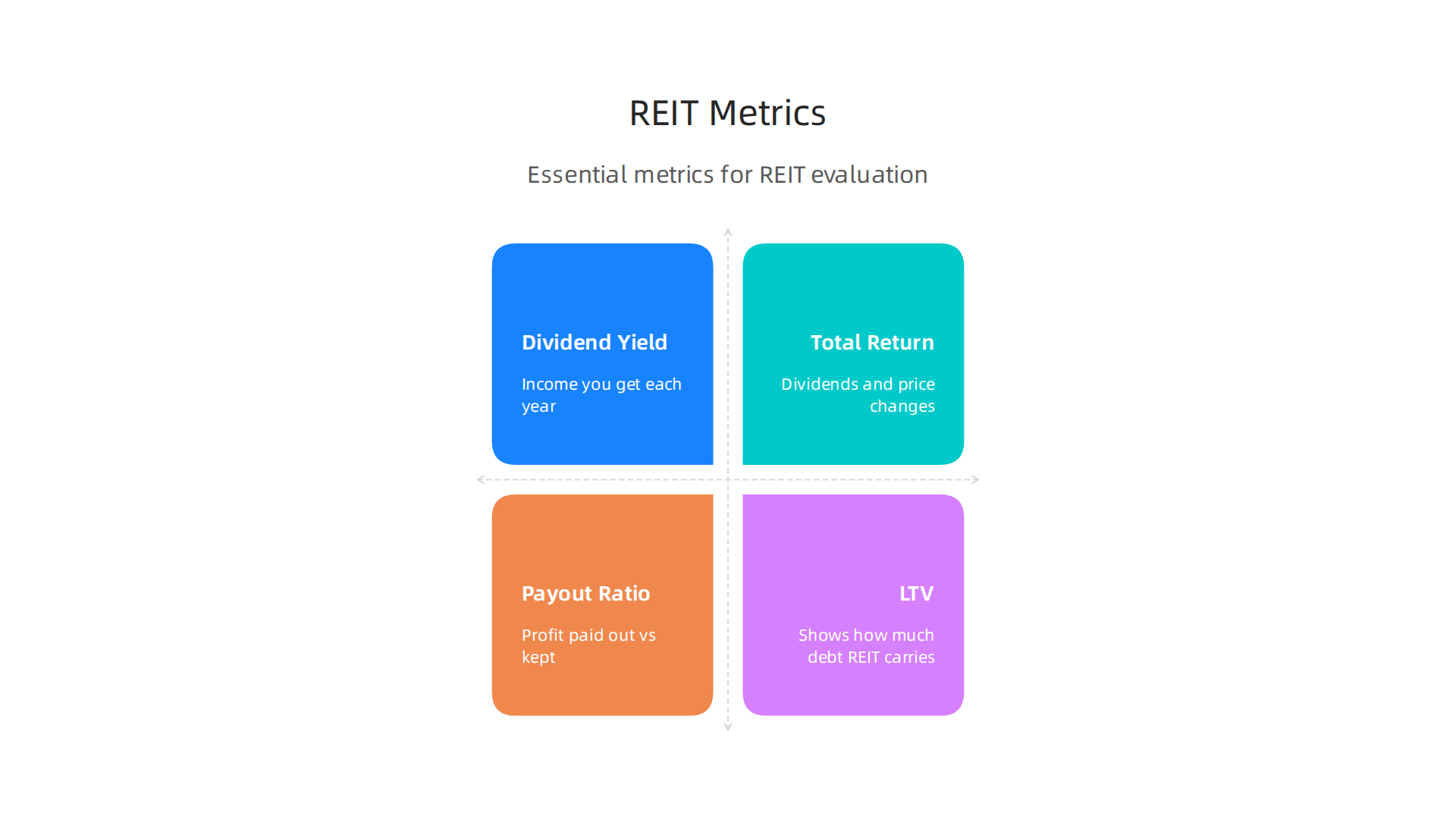
Lower LTV usually means less risk during tough times.
According to recent research from SoFi, some of the top performers in early 2026 include Omega Healthcare Investors with a dividend yield above 5.5% and Apple Hospitality REIT with a yield over 6.8%. These numbers highlight the strong income potential REITs can offer.
Global economic conditions and interest rates play a huge role in REIT valuations. When central banks raise rates, borrowing costs go up. That can squeeze profits for REITs that carry more debt. On the flip side, falling rates often boost REIT prices because borrowing gets cheaper and dividend yields become more attractive compared to bonds. Property cycles also vary by country. A market like Singapore may be in a different phase than Dubai or the US.
For example, a singapore real estate investment trust might focus on commercial towers in a mature market with stable but moderate yields. Meanwhile, a Dubai-based fund targets higher rental yields in a tax-free environment. If you are considering a foreign investment fund, understanding these regional differences is essential.
You can learn more about how local structures compare in our detailed guide on Dubai REITs are the game changer for property investors. It explains exactly how Dubai funds stack up against global giants.
Once you understand the strategy behind each top real estate investment trust, you can pick the regions and sectors that match your goals. Whether you are drawn to US healthcare REITs or Asian industrial funds, having expert advice makes the process smoother. Ready to take the next step? Connect with Ayaz Salman for a FREE Dubai Real Estate Consultation to discuss your specific investment needs.
Dubai-Specific REITs: Regulations, Opportunities, and Performance
Dubai offers a unique structure for real estate investment trusts that stands apart from markets like Singapore or the US. If you are looking at top real estate investment trusts with strong growth potential, Dubai deserves a spot on your watchlist. The regulatory framework here is built around two main bodies: the Dubai Financial Services Authority (DFSA) and the Real Estate Regulatory Authority (RERA). The DFSA oversees all financial services in the Dubai International Financial Centre, including REITs. This dual-layer system creates clear rules for investors.
Recent changes to the rules make Dubai even more attractive. The DFSA released new amendments for 2026 that improve transparency and streamline how funds operate. You can read more about these in the UAE Real Estate Laws and Regulations 2026 guide from Kayrouz & Associates. This regulatory clarity is a big reason why a foreign investment fund can enter the market with confidence.
Local REITs like Emirates REIT give you exposure to Dubai’s booming property market without the hassle of buying a villa or apartment directly. The entry barrier is much lower. You can buy shares in a fund that owns commercial towers, hotels, or shopping centers. That means you get rental income and capital appreciation without managing tenants or repairs yourself.
But foreign investors must understand two key factors: dividend tax treatment and currency risk. Dubai does not impose a withholding tax on REIT dividends, which is a major advantage compared to many other countries. The UAE dirham is also pegged to the US dollar, so currency fluctuations are minimal. That makes Dubai REITs a stable choice for international investors.
For a deeper look at how these funds work and which ones fit your goals, check out this practical guide to investing in Dubai REITs on our site. It breaks down the steps from opening an account to choosing your first fund.
When you compare a singapore real estate investment trust to a Dubai-based one, the differences are clear. Singapore REITs often have higher payout ratios but face stricter tax rules. Dubai REITs offer higher gross yields and a simpler tax environment. Both can play a role in a balanced global portfolio of top real estate investment trusts. But for income-focused investors looking for growth in a fast-moving market, Dubai is hard to beat.
Foreign Funds Investing in Dubai Real Estate: A Strategic Overview
Beyond individual REITs, a growing number of international investment funds are now targeting Dubai’s property market. These include open-ended funds, closed-ended funds, and private equity real estate funds. Unlike buying shares of a single REIT, investing through a foreign investment fund gives you access to a professionally managed portfolio that can hold multiple properties across different sectors. That could mean office towers, hotels, warehouses, and residential projects all in one fund.
The main advantage is diversification with a smaller cash commitment. Some funds let you start with as little as AED 50,000 or even less. This opens the door for investors who cannot afford a direct purchase but still want exposure to Dubai’s strong returns. According to the 2026 Dubai property investment guide from Rothmore Property, net rental yields in Dubai often range from 6% to 9%, and capital gains on residential property are tax free. Funds let you capture those returns without the hassle of managing a single property yourself.
But not all funds are the same. You need to consider three key factors before committing money.
Fund domicile. Many international funds are set up in offshore financial centers like the DIFC in Dubai or other jurisdictions. Your rights and tax treatment depend on where the fund is registered.
Fee structures. Look for the total expense ratio. Management fees typically run 1% to 2% of assets yearly. Some funds also charge performance fees when returns exceed a certain level.
Liquidity and lock-in periods. Open-ended funds let you redeem shares on a regular schedule, sometimes quarterly. Closed-ended and private equity funds often require you to stay invested for three to seven years. Make sure the lock-in period matches your cash flow needs.
For a deeper look at how these funds operate and which ones might suit your goals, explore this detailed resource on Dubai real estate funds and how they offer a smarter path to property investment.
If you are ready to explore the right fund structure for your situation, getting expert advice can save you time and money. FREE Dubai Real Estate Consultation — connect with Ayaz Salman to discuss your options and find a fund that fits your portfolio.
Direct Property vs. REITs vs. Foreign Funds: An Objective Comparison
By now you understand the three main ways to play Dubai real estate. You can directly own a unit, buy shares of top real estate investment trusts, or join a foreign investment fund. Each path has real trade-offs. The right choice depends on your capital, your time, and what you want from your money.
Here is a side-by-side look at the factors that matter most.
| Factor | Direct Property | REITs | Foreign Funds |
|---|---|---|---|
| Minimum capital | AED 400,000 or more | AED 1,000 or less | Often AED 50,000 or less |
| Control over assets | Full control | No control over the portfolio | No control; fund manager decides |
| Liquidity | Low (1 to 3 months to sell) | High (sell shares during market hours) | Medium to low (lock-in periods of 3 to 7 years) |
| Management effort | High (tenants, maintenance, vacancies) | None | None |
| Income type | Monthly rent and capital gains | Quarterly dividends | Distributions from fund income |
Direct Property Ownership
Buying a physical unit in Dubai gives you total control. You pick the location, the tenant, and the exit timing. You can also use a mortgage to amplify returns. But this path demands serious capital and ongoing attention. Service fees, maintenance costs, and empty months eat into your yield. Direct ownership works best if you want a tangible asset and have the time to manage it.
Real Estate Investment Trusts (REITs)
REITs let you invest in a portfolio of income-producing properties without buying a single brick yourself. As Investopedia explains in their guide on REITs, these trusts offer steady dividend income and real estate exposure with no direct ownership hassle.

In Dubai, listed REITs like Emirates REIT give you access to commercial and residential assets with strong liquidity. You can buy or sell shares in minutes during market hours. This makes REITs ideal if you value flexibility and want a lower entry point.
Outside Dubai, real estate investment trusts in Singapore are among the most established in Asia and offer similar benefits of diversification and regulated payouts. Comparing global options helps you see how Dubai stacks up.
For a closer look at the specific trusts available in 2026, check out this practical guide on how to invest in Dubai REITs.
Foreign Investment Funds
As the previous section covered, foreign funds pool investor money into a diversified portfolio of properties. They offer professional management and lower minimums than direct ownership. The trade-off is a lock-in period that can run three to seven years. This structure suits you if you want hands-off exposure and can commit your capital for the medium term.
When Each Option Makes Sense
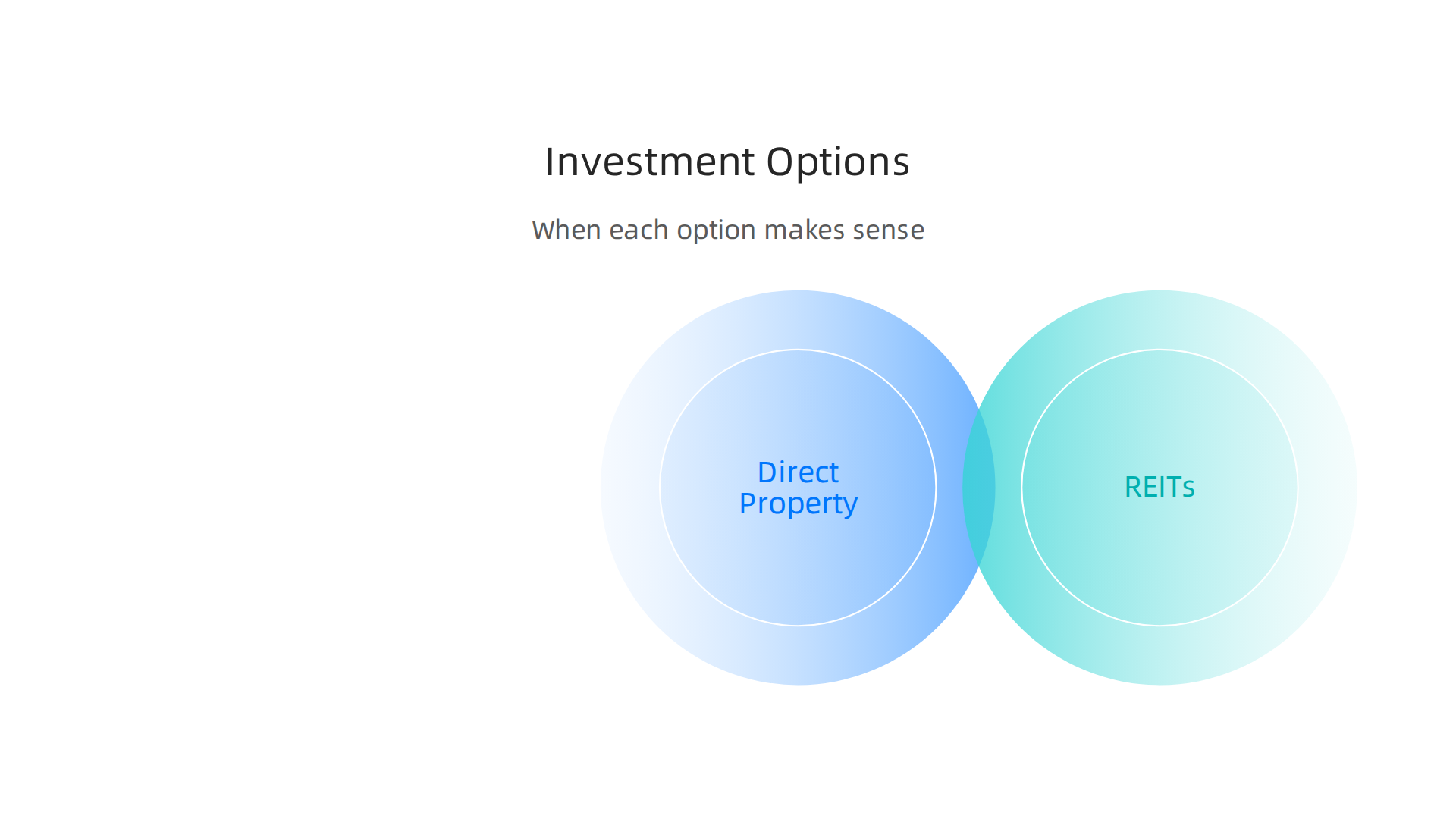
Go direct if you want control, can handle day-to-day management, and have at least AED 400,000 ready.
Pick REITs if you value liquidity, want to start small, and prefer a hands-off approach.
Choose foreign funds if you want diversification across multiple properties with professional management and can accept a lock-up.
The Bottom Line
No single option wins every time. Many smart investors blend approaches. You might own one direct property for control and cash flow, add REITs for quick liquidity, and include a foreign fund for broad diversification. Matching the structure to your goals is what really matters.
If you are unsure which path fits your situation, talking to someone who knows the market can save you from expensive mistakes. FREE Dubai Real Estate Consultation — connect with Ayaz Salman to discuss your options and find the right structure for your portfolio.
Due Diligence and Risk Management for REIT and Fund Investors
So you have decided REITs or foreign funds might work for you. Great. But how do you know if a specific trust or fund is actually built to last? You cannot just pick one at random. A little homework upfront can save you from big headaches later.
Start with the Property Portfolio
Look at what the REIT or fund actually owns. Is it all offices in one city? Or is it spread across different types of properties like homes, warehouses, and shops? A fund with too much focus on one area or one type of building is riskier. For example, if a REIT owns mostly shopping malls and online shopping keeps growing, that could hurt its income. As the Principal Real Estate Income Fund explains in their risk factors page, REITs face risks from economic downturns, tenant problems, and changes in interest rates. So check the mix of properties and where they are located.
Beware of Interest Rate Changes
Interest rates affect REITs more than you might think. When rates rise, borrowing costs go up for the trust. That can squeeze profits and lower the share price. The National Association of Real Estate Investment Trusts (Nareit) provides a useful breakdown of how REITs and interest rates interact. They point out that REITs deliver solid income and long-term growth, but their prices can move with interest rate shifts. If you are investing for income, you want a REIT that handles rising rates well. Look for trusts with long-term fixed debt, not lots of short-term floating loans.
Check the Key Financial Numbers
Three numbers tell you a lot about a REIT or fund:
- Expense ratio: How much the manager charges each year. Lower is better, but make sure you get good management for the fee.
- Debt level: Total debt compared to the value of properties. Too much debt can be dangerous if rents drop or rates spike.
- Dividend history: Has the payout stayed steady or grown over time? A long track record of reliable dividends is a strong sign.
You can find this information in the fund’s fact sheet or annual report. Take ten minutes to read it.
Regulations Matter More Than You Think
Dubai has its own rules for REITs, different from the US or Europe. A property investment trust in another country may follow tax and reporting standards that change how returns land in your pocket. Always ask about the jurisdiction and how it affects you.
A Smart Next Step
If you want a deeper walkthrough on what to check before buying, this due diligence guide for trust-based investments covers the exact steps to evaluate a REIT or fund. It walks you through the documents and red flags you should know about.
Taking a little time to do your homework now helps you pick among the top real estate investment trusts with confidence.

And if you ever feel stuck, remember that professional advice can clear up the fog. The earlier comparison section showed which structure works for which goal. Now you have the tools to check quality before you commit your money.
How to Get Started: A Step-by-Step Guide for Foreign Investors
You have the tools to check quality. But where do you actually start the process? Here is the step-by-step plan to put your knowledge into action.
Step 1: Open the Right Brokerage Account
Not every brokerage gives you access to Dubai-listed REITs. You need a platform that connects to the Dubai Financial Market (DFM) or Nasdaq Dubai, where these trusts trade. Some global brokers also offer REIT exchange-traded funds (ETFs) that hold a basket of property assets from multiple countries. Look for low fees and clear tax reporting. If you are unsure which platform works for you, this guide on how to invest in Dubai REITs in 2026 breaks down the specific accounts you need.
As noted in this Beginner’s Guide to Dubai Real Estate Investment Trusts, you can invest through publicly listed REITs on stock exchanges or through REIT-focused funds. Either path works as long as the brokerage supports cross-border trading.
Step 2: Work with a Specialist Advisor
Tax rules for foreign investors get complicated fast. If you live in the US, Europe, or Singapore, your home country may tax REIT dividends differently than regular stock dividends. A licensed financial advisor who understands cross-border regulations and tax treaties can save you from a surprise tax bill. They can also help you weigh a specific trust against a foreign investment fund to find the structure that fits your situation. To prepare for that conversation, reading up on Dubai real estate investment strategies for 2026 will help you ask the right questions.
Step 3: Build a Diversified Starting Mix
You do not need to put all your money into a single trust. In fact, spreading your capital across different structures is the smartest move for a new investor. A solid starting portfolio might look like this:
- A Dubai REIT: Gives you direct exposure to one of the fastest-growing property markets in the world.
- A Global REIT ETF: Spreads your risk across hundreds of properties in the US, Europe, and Asia.
- A Top-Tier Foreign Real Estate Fund: Adds access to private or institutional-grade assets that publicly traded REITs may not cover.
This mix lets you participate in the performance of the top real estate investment trusts while keeping your risk balanced. If you need a clear framework to decide how much to put into each bucket, following a 2026 action plan for starting real estate investment in Dubai can guide your choices.
A step-by-step approach also helps you avoid costly mistakes. According to this practical guide to real estate investing in 2026, you can start with as little as AED 1,000 through regulated platforms like REITs. That low entry point means you can learn the mechanics of real estate investing without a massive upfront commitment.
Get Help Putting It All Together
You can absolutely take these steps on your own. But it is always faster with a local guide who knows the market inside out.

If you are ready to look at specific investment options or just want a second opinion on your plan, you can get a FREE Dubai Real Estate Consultation. An experienced advisor can walk you through the paperwork, explain how your home country taxes affect your returns, and help you choose the right mix of assets.
The most important thing is to take the first step. You do not need a pile of cash. You just need a clear plan and the right partners to help you execute it.
Summary
This article explains how Real Estate Investment Trusts (REITs) and foreign investment funds offer a simpler, more liquid alternative to buying physical property in Dubai. It covers what REITs are, the main REIT types, and why dividend rules and tax treatment make them attractive; then compares top global REIT performers to Dubai-specific trusts and outlines how Dubai’s regulatory setup and dollar peg benefit foreign investors. The guide examines foreign fund structures, typical fees, lock-in periods, and minimums, and gives a clear side-by-side comparison of direct ownership, REITs, and funds to match different investor goals. It also provides a practical due diligence checklist—portfolio mix, debt levels, expense ratios, and interest-rate exposure—and a step-by-step action plan for opening accounts, working with advisors, and building a diversified starting mix. After reading, you’ll know how to evaluate Dubai REITs and funds, avoid common pitfalls, and take the first concrete steps to invest with confidence.